Corporate Law : This article explains how consumer law regulates brand endorsements. The key takeaway is that endorsers face penalties only when m...
Corporate Law : Authorities have clarified that compulsory service charges violate consumer law, reaffirming that tips must be voluntary and canno...
Corporate Law : Overview of the Consumer Protection Act 2019, its key definitions, the establishment of CCPA, product liability, and penalties for...
Corporate Law : भारत में बढ़ते हुए बाजार के प्रभाव को देखते हुए भा...
Corporate Law : Explore the Supreme Court's landmark ruling on corporate claims under the Consumer Protection Act, 1986, redefining 'person' and e...
Corporate Law : CCPA imposed ₹1 lakh penalties on two food companies for using misleading 100% claims that did not match the actual composition ...
Corporate Law : The government has exempted smaller edible oil packs and minor edible oils from standardisation requirements. The exemption is aim...
Corporate Law : CCPA fined digital platforms for using interface designs that influenced consumer choices without clear and informed consent. The ...
Corporate Law : The CCPA imposed penalties on coaching institutes after finding that advertisements highlighted successful candidates while hiding...
Corporate Law : The regulator held that selective disclosure of course details and inflated success claims misled aspirants. The ruling reinforces...
Corporate Law : The CCPA ruled that incomplete product details, unverifiable regulatory credentials, and missing mandatory disclosures violated th...
Corporate Law : The CCPA held that automatically adding a service charge to restaurant bills violated the Consumer Protection Act and the CCPA Gui...
Corporate Law : CCPA held that advertising bread as 100% Whole Wheat despite containing only 87% wheat flour was misleading. The authority ordered...
Corporate Law : The Authority ruled that selectively withholding course information and presenting disclaimers in illegible font misled prospectiv...
Corporate Law : The CCPA held that failure to prominently disclose licensing requirements, frequency details, and regulatory approvals for walkie-...
Corporate Law : Standard pack sizes have been recommended for commonly used edible oils to reduce market inconsistencies and assist consumers in c...
Corporate Law : The Government has advised States and UTs not to impose fresh registration requirements on existing repairers merely because of re...
Corporate Law : The Department of Consumer Affairs has clarified that customary units like inches, feet, and dozen may be used as supplementary de...
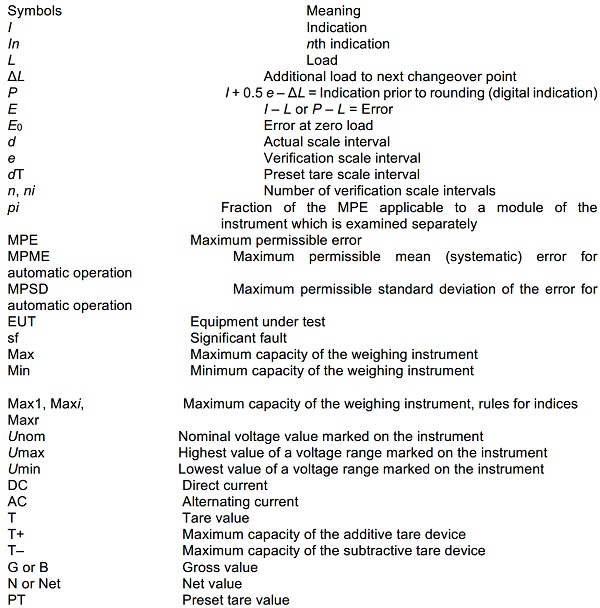
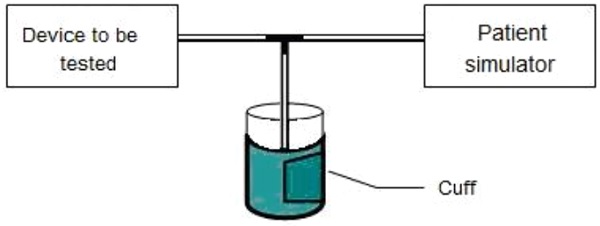
Corporate Law : The 2026 amendment introduces detailed metrological, technical, and safety standards for non-automated blood pressure devices. The...
Corporate Law : The Ministry of Consumer Affairs is seeking comments on draft rules to amend the Legal Metrology (General) Rules for non-invasive ...
Explore the Supreme Court’s landmark ruling on corporate claims under the Consumer Protection Act, 1986, redefining ‘person’ and expanding consumer rights.
Compensation by its very nature, had to be just. For suffering, no part of which was the claimant-appellant’s own fault, she had been awarded a sum which could, at best, be described as ‘paltry’. In regard to the application of the Eggshell-Skull Rule, the impugned judgment was silent as to how this rule applied to the present case.
Central Consumer Protection Authority issues advisory prohibiting advertising, promotion, and endorsement of illegal activities like gambling. Stringent actions outlined against violators.
Explore CCPA’s proposed Guidelines for Prevention and Regulation of Greenwashing. Understand definitions, application, and implications. Share your views!
Explore whether businesses are consumers under the Consumer Protection Act. Analyze court judgments, recent changes, and the ongoing debate. Learn more.
Central Consumer Protection Authority (CCPA) takes action against Amazon for deceptive sale of Shri Ram Mandir Ayodhya Prasad sweets. Learn about the investigation and potential consequences.
Explore the historical roots of consumer protection in India, from ancient laws to post-independence regulations. Uncover the evolution of trade practices and legal frameworks shaping consumer rights.
Madras High Court’s ruling: Consumers can’t file complaints against the Revenue Department for excessive GST levied by hotel managements. Learn more here.
In present facts of the case, the National Commission allowed the Revision Petition filed by the Complainant by making observation that the Insurance Policy pertaining to theft would be applicable to whole India as provided in the Insurance Policy.
In present facts of the case, the Revision Petition have been filed by the Petitioner – LIC against Respondents under section 21 (b) of Consumer Protection Act 1986, against the order dated 25.01.2019 of the State Consumer Disputes Redressal Commission Gujarat. The Complainants have also filed separate Consumer Complaint before the State Commission due to the pecuniary jurisdiction.