The dispute involved jurisdiction of customs authorities to levy IGST on imports. The Court ruled that assessment includes all applicable taxes, rejecting the jurisdiction challenge.
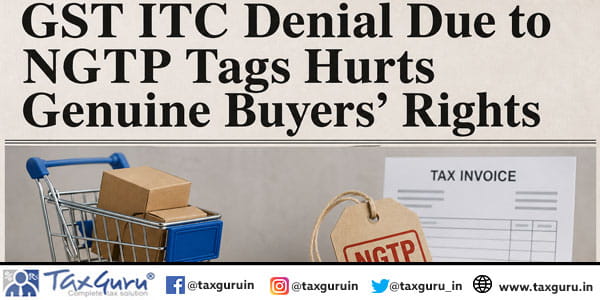
The issue concerns denial of ITC to bona fide buyers based solely on supplier tagging and analytics. The key takeaway is that mechanical reliance on NGTP tags undermines lawful adjudication and harms compliant taxpayers.
The issue was whether arbitral award damages and settlement terms constitute “supply” under GST law. The Court held they do not amount to consideration for supply, and quashed the IGST demand.
The authority held that arranging transport for employees is a welfare activity, not a business supply. Nominal recovery from employees does not attract GST.
The issue concerned GST liability on electricity supplied through a solar power plant. The AAR held that electrical energy is exempt from GST and no registration is required when only exempt goods are supplied.
The issue involved classification of a fan drive assembly used in vehicle cooling systems. The AAR held that the product operates on viscous fluid principles and qualifies as a fluid coupling under HSN 8483.
The issue was whether taxpayers could choose between concessional and standard GST rates. The AAR held that once classified as outdoor catering, the 5% rate without ITC is mandatory.
The appellate authority found that facts presented on appeal differed from the original application. The case was remanded for fresh adjudication due to inconsistency in submissions.
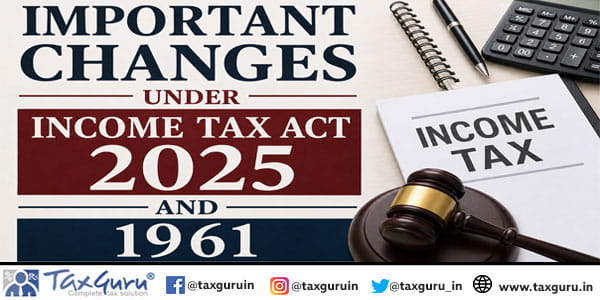
The new law keeps depreciation methods unchanged for continuity. However, it broadens tax scope by including assets “belonging to” taxpayers beyond legal ownership.
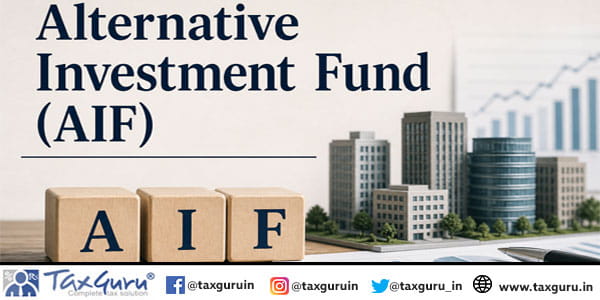
The issue concerns the legal definition and structure of Alternative Investment Funds. The framework classifies AIFs as privately pooled investment vehicles regulated by SEBI with specific eligibility and investment conditions.