The Annual Information Statement (AIS) under Section 285BB consolidates a taxpayer’s financial and tax-related information, including TDS, specified financial transactions, tax payments, GST details, foreign remittances, and other prescribed data for a financial year. By enabling taxpayers to verify pre-filled information and provide feedback on discrepancies, AIS promotes accurate income-tax return filing and greater transparency in tax compliance.
The revised CBDT guidelines effective from 17 October 2024 streamline the compounding process under the Income-tax Act by prescribing uniform eligibility conditions, updated compounding charges, and provisions for refiling applications rejected due to curable defects. While taxpayers can seek relief from prosecution by fulfilling specified requirements and paying applicable charges, compounding is not an automatic right and may still be denied in exceptional cases.
Section 40A of the Income-tax Act restricts the deduction of specified business expenses where statutory conditions are not fulfilled, including excessive payments to related parties and cash payments exceeding prescribed thresholds. The provisions also disallow certain gratuity provisions, contributions to non-statutory employee funds, and notional losses on specified securities.
Taxpayers can apply for a nil or lower TDS certificate in Form 13 when their estimated tax liability supports deduction at a reduced rate or no deduction at all. The facility is available to residents and non-residents for specified categories of income, subject to online application through the TRACES portal with a valid PAN. The key takeaway is that eligible assessees can avoid excess tax deduction by obtaining prior approval from the Assessing Officer for lower or nil TDS.
This guide explains when gifts received by individuals and HUFs become taxable under the Income-tax Act, including monetary, movable, and immovable gifts. It highlights the significance of the ₹50,000 threshold and the key exemptions available for gifts from relatives, marriage, inheritance, and specified institutions.
The Income-tax Act contains strict provisions under Sections 40A(3), 269SS, 269ST, 269SU, and 269T to regulate cash transactions, restrict cash-based loans and receipts, and promote digital payments.
Income from Other Sources encompasses various taxable receipts such as dividends, gifts, family pension, lottery winnings, interest income, and compensation payments that do not fall under the other four heads of income.
High Court upheld conviction under Section 138 NI Act, holding that contradictory defence evidence failed to rebut statutory presumptions. High Court ruled that breach of Section 269SS may attract penalty but does not make a cash loan unenforceable under NI Act.
GSTN has postponed the implementation of mandatory “Ship To GSTIN” capture and voluntary E-Way Bill closure to 1 August 2026. The extension was granted to allow taxpayers and technology providers additional time for preparedness.
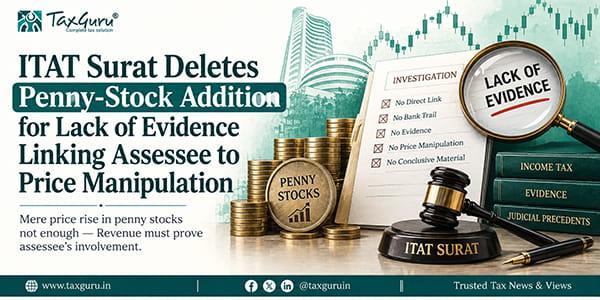
TAT Mumbai held that additions under Sections 68 and 69C could not be sustained where the Revenue failed to establish any connection between the assessee and alleged price-rigging operators. The Tribunal found that the transactions were supported by demat records, banking documents, and stock exchange evidence. The LTCG exemption under Section 10(38) was restored.