
Type: Trending
3,624 articlesIncome Tax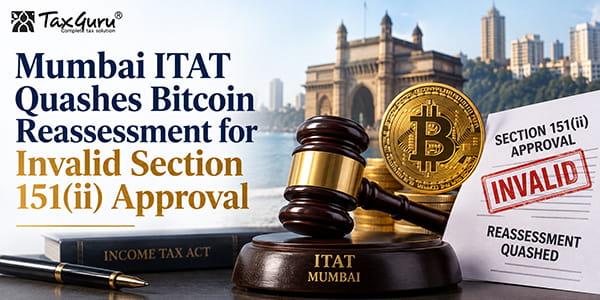
Income Tax
Mumbai ITAT Quashes Bitcoin Reassessment for Invalid Section 151(ii) Approval
Income Tax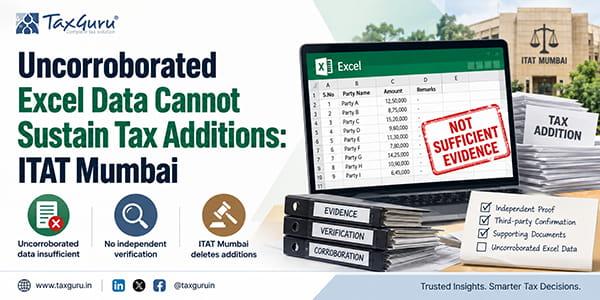
Income Tax
Uncorroborated Excel Data Cannot Sustain Tax Additions: ITAT Mumbai
Income Tax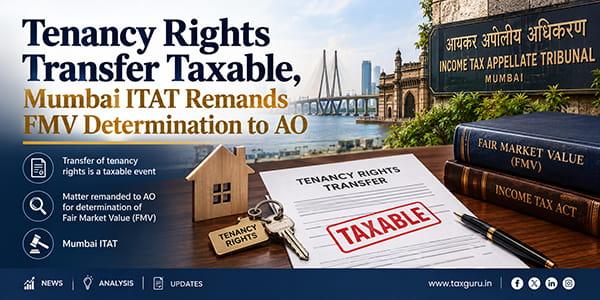
Income Tax
Tenancy Rights Transfer Taxable, Mumbai ITAT Remands FMV Determination to AO
Income Tax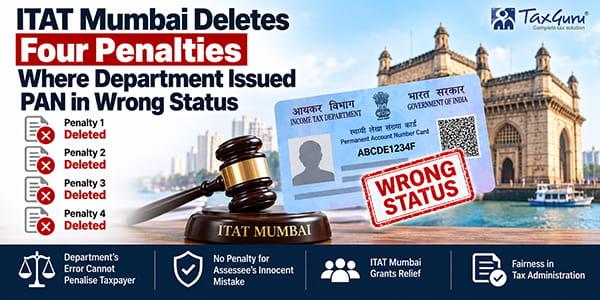
Income Tax
ITAT Mumbai Deletes Four Penalties Where Department Issued PAN in Wrong Status
Income Tax
Income Tax
Section 68 Inapplicable to Earlier-Year Funds Converted into Preference Shares: ITAT Delhi
Corporate Law
Corporate Law
Pending Fraud Proceedings Cannot Block Resolution Plan Approval: NCLT Hyderabad
Income Tax
Income Tax
Clerical Error by Return Preparer Does Not Create Taxable Income: ITAT Delhi
Income Tax
Income Tax
BookMyShow Convenience Fee Outside Section 194H TDS: ITAT Mumbai
Income Tax
Income Tax
Bank Draft Seized From Third Party Cannot Establish Assessee Ownership: SC
Income Tax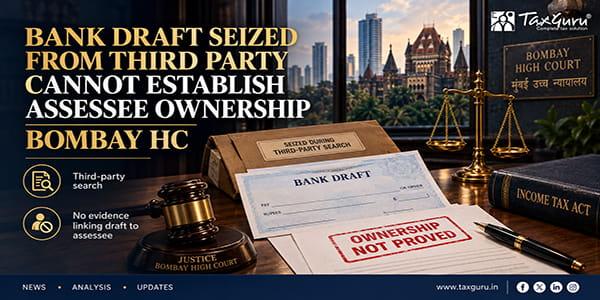
Income Tax
Bank Draft Seized From Third Party Cannot Establish Assessee Ownership: Bombay HC
Service Tax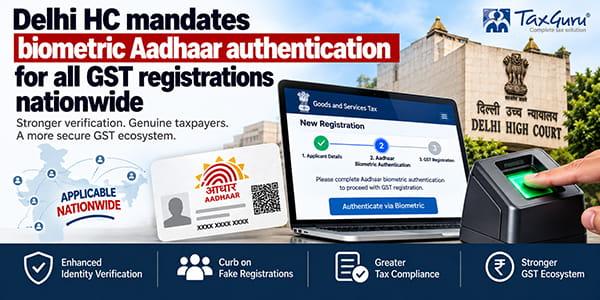
Service Tax
Delhi HC mandates biometric Aadhaar authentication for all GST registrations nationwide
Income Tax
Income Tax
Only Real Net Online Gaming Winnings Taxable Under Section 115BB: ITAT Chennai
Income Tax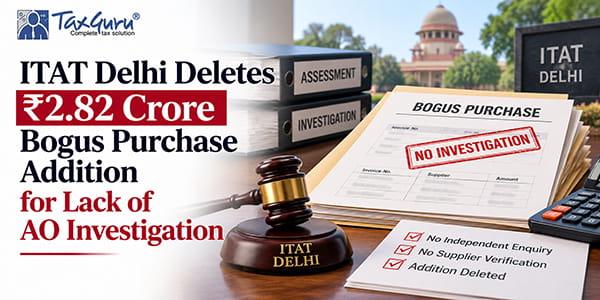
Income Tax
ITAT Delhi Deletes ₹2.82 Crore Bogus Purchase Addition for Lack of AO Investigation
Corporate Law
Corporate Law

