
Day: May 11, 2026
93 articlesSEBI
SEBI
SEBI Proposes 5% Utilization of IPF Income
SEBI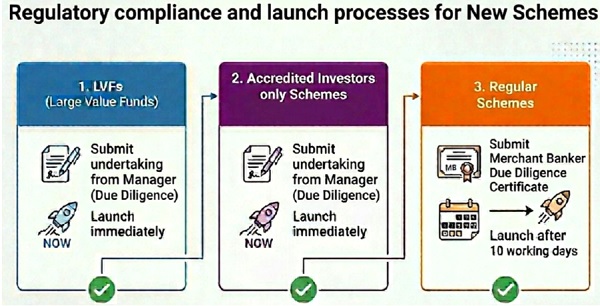
SEBI
SEBI Proposes Faster AIF Scheme Launches Through GARUDA Mechanism
DGFT
DGFT
DGFT Notifies Agencies Authorised for India-UK CETA Certificates of Origin
Finance
Finance
Authority approves draft IFSCA (Managing General Agents) Regulations, 2026
Income Tax
Income Tax
ITAT Upholds Section 12AB Rejection as Trust Deed Allowed Benefits Outside India
Income Tax
Income Tax
Delhi HC Allows Inspection of Foreign Tax Documents as Fair Cross-Examination Rights Must Be Protected
Income Tax
Income Tax
ITAT Delhi Deletes Section 69A Addition as Sales Were Recorded in Books
Income Tax
Income Tax
ITAT Allows Carry Forward of LTCG Loss as Section 54F Exemption Must Be Applied First
Income Tax
Income Tax
SC Upholds Delay Condonation in Form 10B Filing as Audit Report Was Already Submitted
Service Tax
Service Tax
Service Tax Dispute on Courier & GTA Services Sent Back for Lack of Proper Findings
Goods and Services Tax
Goods and Services Tax
Ex Parte GST Assessment Set Aside Due to GSTR-7 TDS Reporting Variations: Madras HC
Income Tax
Income Tax
Sale of Stridhan Jewellery Cannot Be Rejected Solely Due to Absence of Wealth Tax Return: ITAT Mumbai
Custom Duty
Custom Duty
CESTAT Rejects ADD Demand Due to Lack of Proof on Alleged Iran Origin of Imported Goods
Goods and Services Tax
Goods and Services Tax

