Mumbai ITAT held that additions for alleged accommodation entries and commission income cannot be sustained solely on retracted statements and third-party Tally data without independent corroborative evidence.
RBI has created a new category called Unregistered Type 1 NBFC for companies operating only with internal or group funds and without direct public interaction. Eligible entities are exempt from certain registration and reserve fund requirements.
Registrar of Companies clarified that Section 155 absolutely prohibits holding more than one DIN. Penalties were imposed even though the duplicate DIN was later surrendered through DIR-5.
The article explains the educational qualifications, experience requirements, and certifications mandated for Principal Officers of Fund Management Entities in IFSC-GIFT City. It highlights the regulatory emphasis on governance, investor protection, and operational oversight under the IFSCA framework.
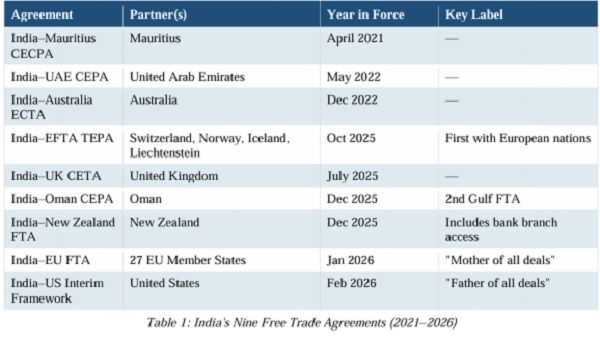
This research paper analyses how India’s recent FTAs are transforming trade finance, foreign exchange services, fintech, and cross-border banking operations. It highlights both opportunities and risks for Indian banks in the global economy.
SEBI’s new circular restricts unauthorized use and redistribution of real-time exchange data by educators, finfluencers, and trading platforms. The regulator clarified that market data cannot be commercially used under the label of “education” without proper licensing.
This guide explains the complete process for quick Private Limited Company registration in India, including required documents, DSC registration, MCA filings, and company incorporation steps.
This article explains how Online Bond Platform Providers redistribute privately placed NCDs to retail investors, effectively bypassing stricter public issue regulations and investor safeguards.
This analysis examines how GST transformed India’s indirect tax regime while continuing to face compliance, technological, and interpretational challenges. It highlights both the achievements and unresolved issues shaping GST’s future.
Bombay High Court held that GST registration cannot be cancelled without proper hearing and a reasoned order. The Court quashed the cancellation and revocation rejection orders for violating principles of natural justice.