
Type: Trending
3,627 articlesService Tax
Service Tax
CESTAT Bangalore Rejects CENVAT Reversal on Mutual Fund Investments and Notice Pay
Income Tax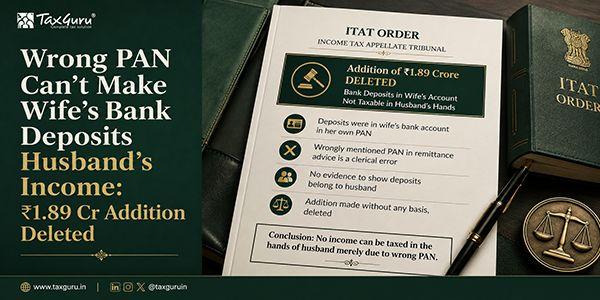
Income Tax
Wrong PAN Can’t Make Wife’s Bank Deposits Husband’s Income: ₹1.89 Cr Addition Deleted
Income Tax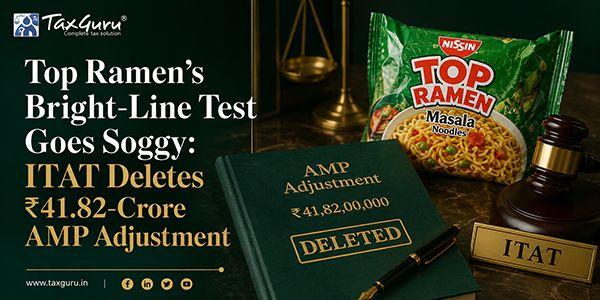
Income Tax
Top Ramen’s Bright-Line Test Goes Soggy: ITAT Deletes ₹41.82-Crore AMP Adjustment
Income Tax
Income Tax
ITAT Mumbai Allows Section 10(38) Exemption on Lifeline Drugs Share Gains Despite Penny Stock Allegations
Corporate Law
Corporate Law
Gujarat HC Quashes Dabba Trading FIR for Lack of Criminal Breach of Trust
Income Tax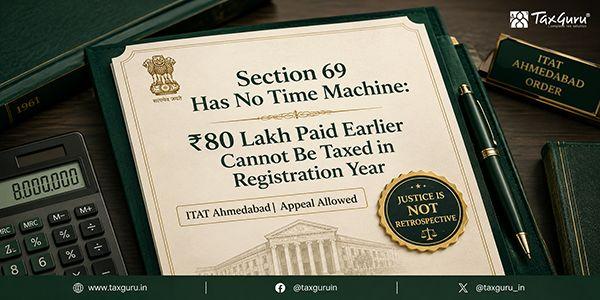
Income Tax
Section 69 Has No Time Machine: ₹80 Lakh Paid Earlier Cannot Be Taxed in Registration Year
Income Tax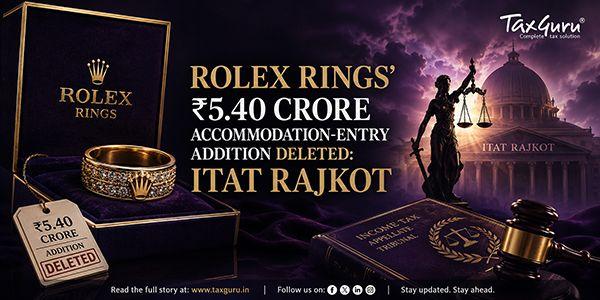
Income Tax
Rolex Rings’ ₹5.40 Crore Accommodation-Entry Addition Deleted: ITAT Rajkot
Income Tax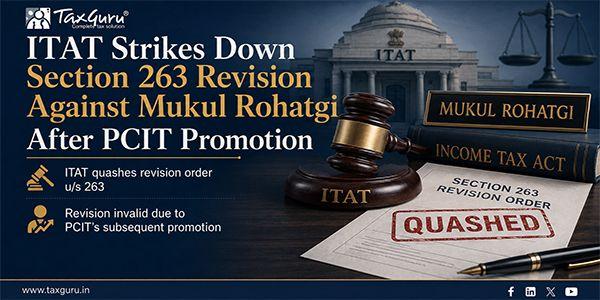
Income Tax
ITAT Strikes Down Section 263 Revision Against Mukul Rohatgi After PCIT Promotion
Income Tax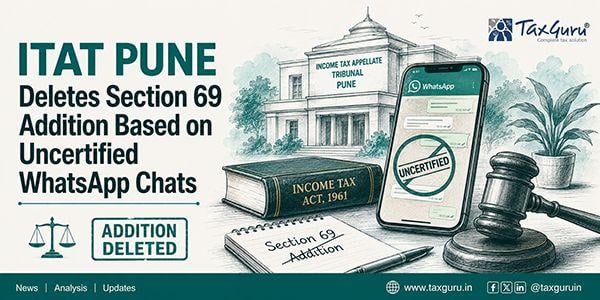
Income Tax
ITAT Pune Deletes Section 69 Addition Based on Uncertified WhatsApp Chats
Goods and Services Tax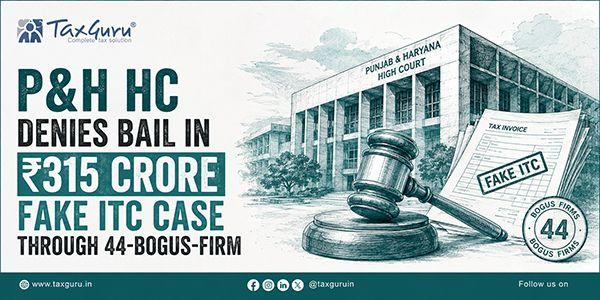
Goods and Services Tax
P&H HC Denies Bail in ₹315 Crore Fake ITC Case through 44-Bogus-Firm
Income Tax
Income Tax
Order Date Not Service Date: ITAT Revives ₹87.28 Lakh Cash-Deposit Case
Income Tax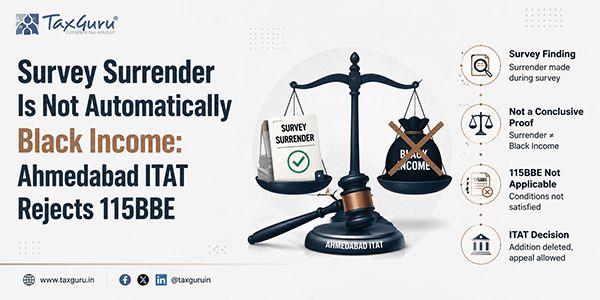
Income Tax
Survey Surrender Is Not Automatically Black Income: Ahmedabad ITAT Rejects 115BBE
Income Tax
Income Tax
Reconciled Third-Party Ledger Differences Cannot Be Taxed Under Section 69A: Mumbai ITAT
Income Tax
Income Tax

