
Type: Trending
3,627 articlesIncome Tax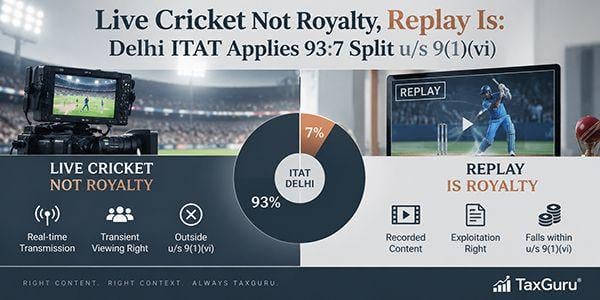
Income Tax
Live Cricket Not Royalty, Replay Is: Delhi ITAT Applies 93:7 Split u/s 9(1)(vi)
Income Tax
Income Tax
No CGAS Deposit, Yet Section 54F Survives Where New House Is Bought Within Two Years
Goods and Services Tax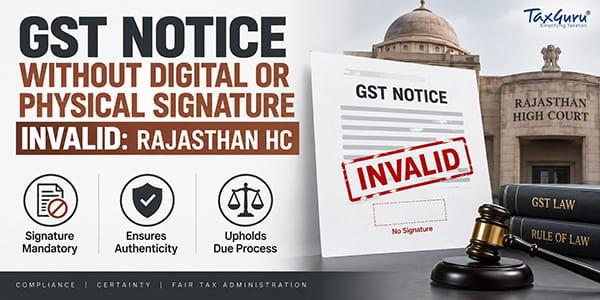
Goods and Services Tax
GST Notice Without Digital or Physical Signature Invalid: Rajasthan HC
Income Tax
Income Tax
Recorded Group Cash-in-Hand Accepted; Section 69A Additions Based on Incomplete Tally Data Deleted: Delhi ITAT
Income Tax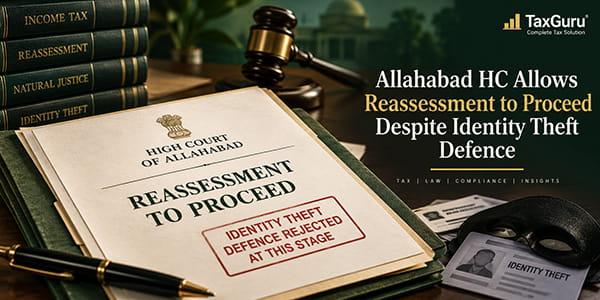
Income Tax
Allahabad HC Allows Reassessment to Proceed Despite Identity Theft Defence
Income Tax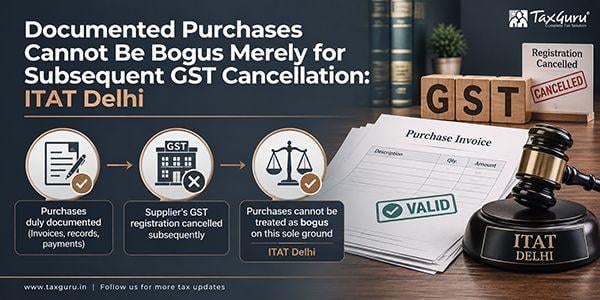
Income Tax
Documented Purchases Cannot Be Bogus Merely for Subsequent GST Cancellation: ITAT Delhi
Income Tax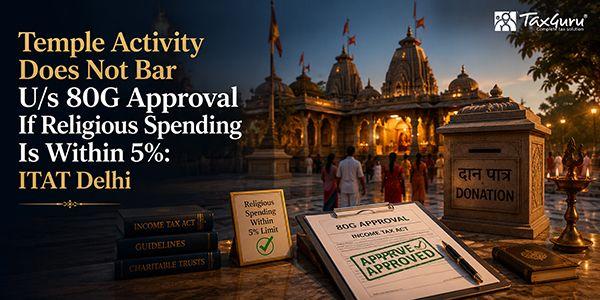
Income Tax
Temple Activity Does Not Bar U/s 80G Approval If Religious Spending Is Within 5%: ITAT Delhi
Income Tax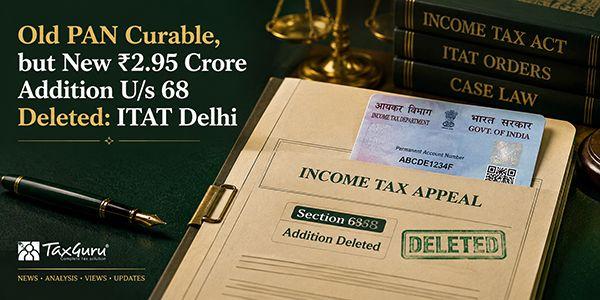
Income Tax
Old PAN Curable, but New ₹2.95 Crore Addition U/s 68 Deleted: ITAT Delhi
Income Tax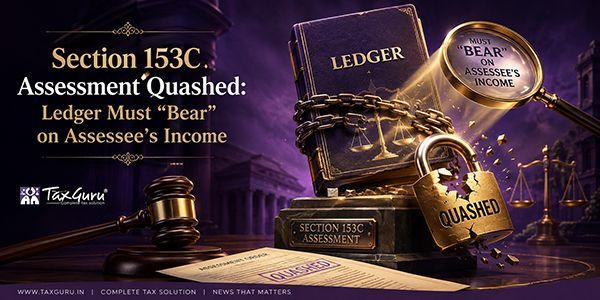
Income Tax
Section 153C Assessment Quashed: Ledger Must “Bear” on Assessee’s Income
Income Tax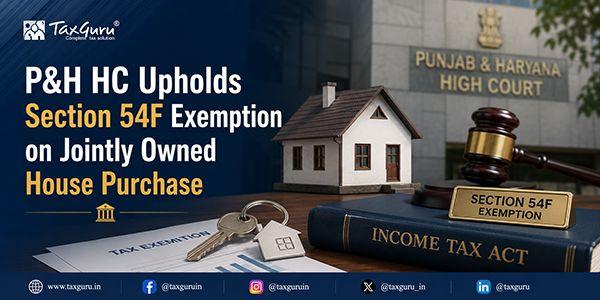
Income Tax
P&H HC Upholds Section 54F Exemption on Jointly Owned House Purchase
Income Tax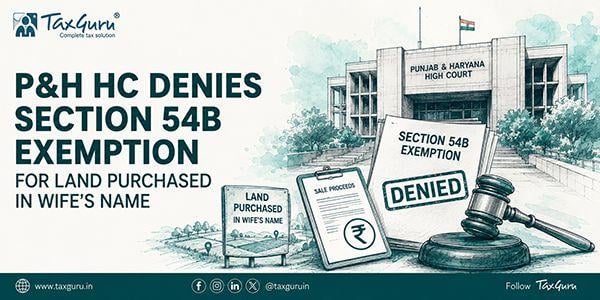
Income Tax
P&H HC Denies Section 54B Exemption for Land Purchased in Wife’s Name
Income Tax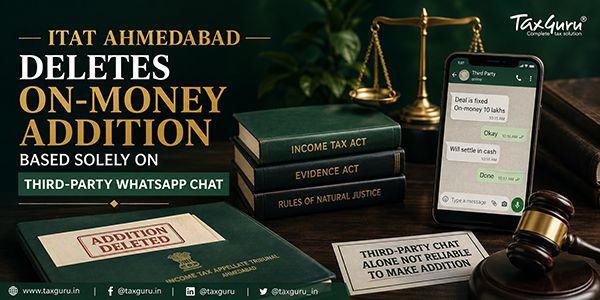
Income Tax
ITAT Ahmedabad Deletes On-Money Addition Based Solely on Third-Party WhatsApp Chat
Income Tax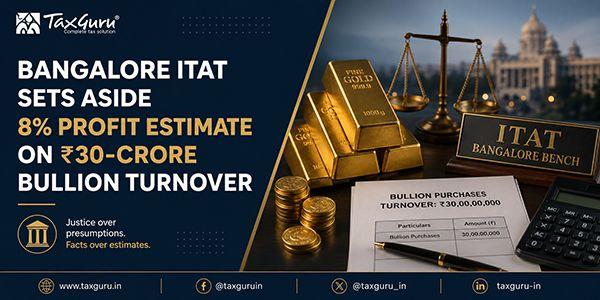
Income Tax
Bangalore ITAT Sets Aside 8% Profit Estimate on ₹30-Crore Bullion Turnover
Income Tax
Income Tax

