
Type: Trending
3,627 articlesIncome Tax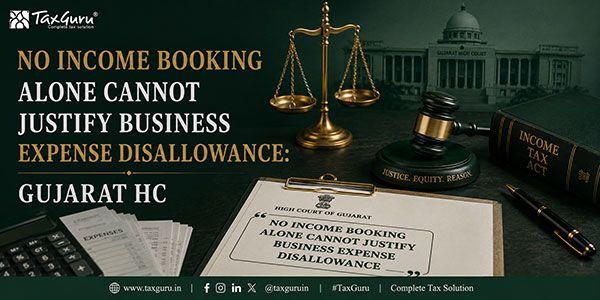
Income Tax
No Income Booking Alone Cannot Justify Business Expense Disallowance: Gujarat HC
Income Tax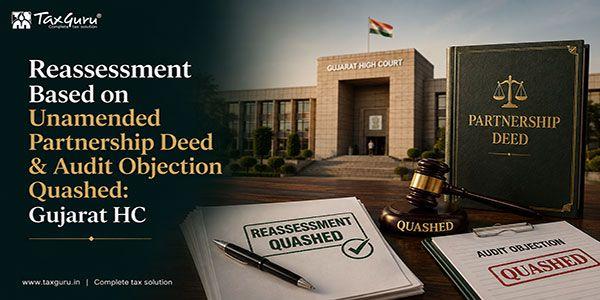
Income Tax
Reassessment Based on Unamended Partnership Deed & Audit Objection Quashed: Gujarat HC
Income Tax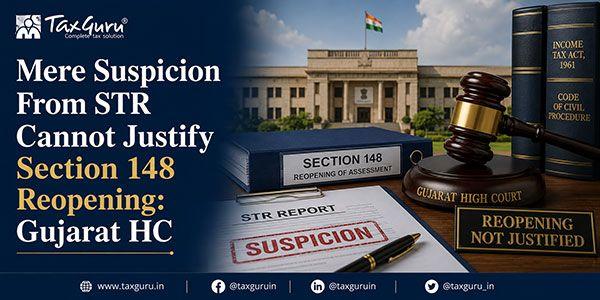
Income Tax
Mere Suspicion From STR Cannot Justify Section 148 Reopening: Gujarat HC
Corporate Law
Corporate Law
Subsequent Typographical Correction Does Not Restart IBC Appeal Limitation: NCLAT
Income Tax
Income Tax
Market Research Expenses to Improve Sales Are Revenue Expenditure: Bombay HC
Income Tax
Income Tax
Third-Party Data and PAN Mention Alone Cannot Prove Unaccounted Purchases: Bangalore ITAT
Income Tax
Income Tax
Fire-Safety Compliance Is Material for Section 12AB Registration of a School: Bangalore ITAT
Custom Duty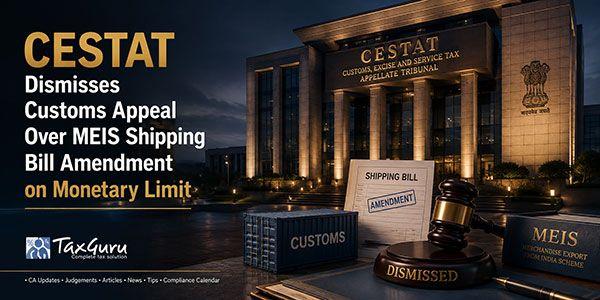
Custom Duty
CESTAT Dismisses Customs Appeal Over MEIS Shipping Bill Amendment on Monetary Limit
Custom Duty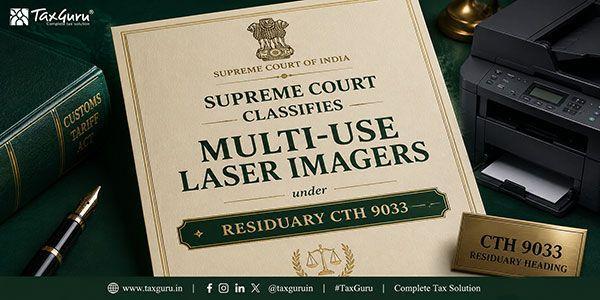
Custom Duty
Supreme Court Classifies Multi-Use Laser Imagers under Residuary CTH 9033
Excise Duty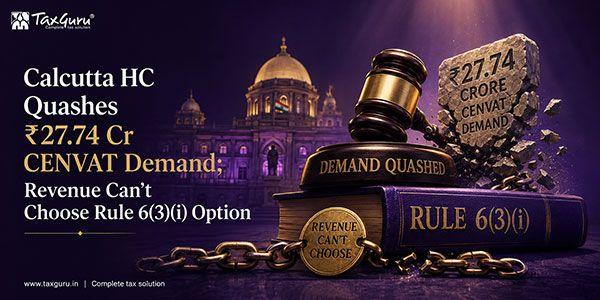
Excise Duty
Calcutta HC Quashes ₹27.74 Cr CENVAT Demand; Revenue Can’t Choose Rule 6(3)(i) Option
Income Tax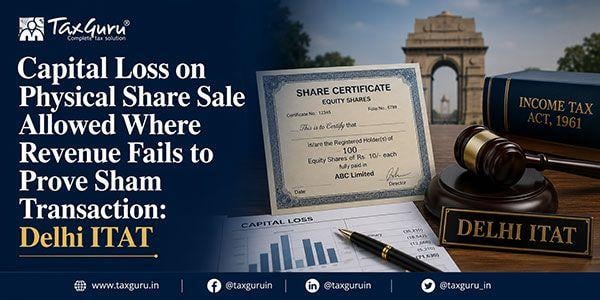
Income Tax
Capital Loss on Physical Share Sale Allowed Where Revenue Fails to Prove Sham Transaction: Delhi ITAT
Goods and Services Tax
Goods and Services Tax
GST Recovery Against Company for Deceased Proprietor’s Dues Quashed: Karnataka HC
Income Tax
Income Tax
Bank Cannot Create Lien for Section 194N TDS: Karnataka HC
Income Tax
Income Tax

