
Type: Trending
3,627 articlesGoods and Services Tax
Goods and Services Tax
GST Recovery Demand Alone Does Not Require Custodial Interrogation: Bombay HC
Income Tax
Income Tax
Stale Investigation Material Cannot Justify Reassessment: ITAT Delhi
Income Tax
Income Tax
Penny Stock Report Without Price-Rigging Evidence Cannot Justify Addition: ITAT Delhi
Income Tax
Income Tax
Wrong ITR Form Cannot Justify Double Taxation: ITAT Deletes ₹26.69-Lakh Form 26AS Addition
Income Tax
Income Tax
Form 26AS Reveals Income, Not Return Filing: ITAT Restores Section 270A Penalty
Income Tax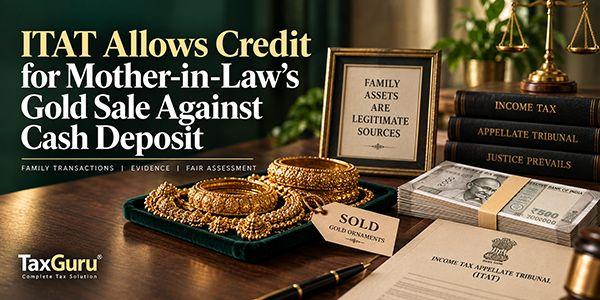
Income Tax
ITAT Allows Credit for Mother-in-Law’s Gold Sale Against Cash Deposit
Income Tax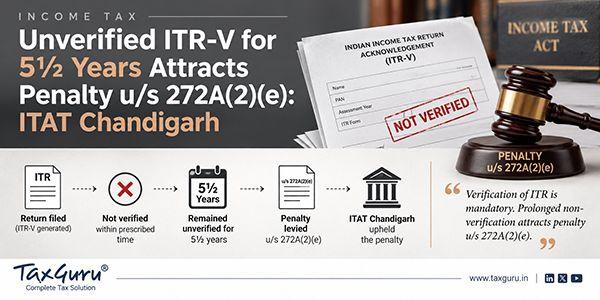
Income Tax
Unverified ITR-V for 5½ Years Attracts Penalty u/s 272A(2)(e): ITAT Chandigarh
Income Tax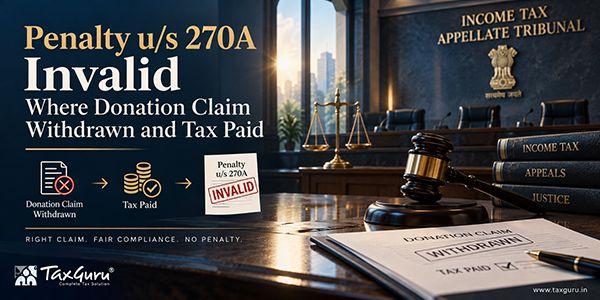
Income Tax
Penalty u/s 270A Invalid Where Donation Claim Withdrawn and Tax Paid
Goods and Services Tax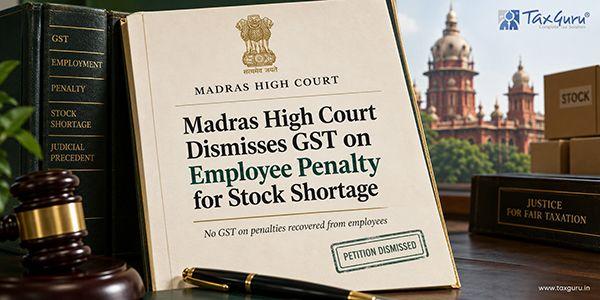
Goods and Services Tax
Madras High Court Dismisses GST on Employee Penalty for Stock Shortage
Income Tax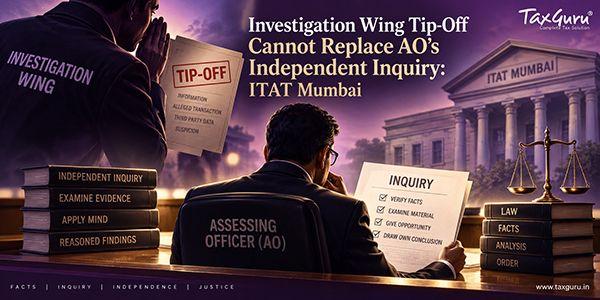
Income Tax
Investigation Wing Tip-Off Cannot Replace AO’s Independent Inquiry: ITAT Mumbai
Income Tax
Income Tax
Sponsorship Receipts Do Not Make Golf Association Commercial: ITAT Delhi
Income Tax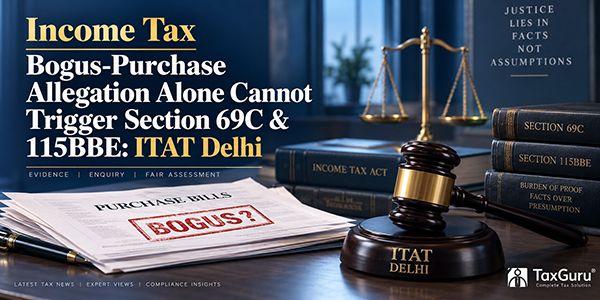
Income Tax
Bogus-Purchase Allegation Alone Cannot Trigger Section 69C & 115BBE: ITAT Delhi
Income Tax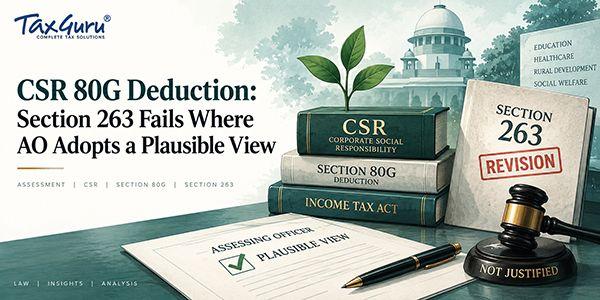
Income Tax
CSR 80G Deduction: Section 263 Fails Where AO Adopts a Plausible View
Income Tax
Income Tax

