
#Section 68
Log in to FollowLatest Section 68 updates, provisions, case laws, compliance requirements, tax implications and expert analysis under Income-tax law on TaxGuru.
Income Tax
Income Tax
Section 68 Inapplicable to Cash Deposits from Recorded Jewellery Sales: ITAT Jaipur
Income Tax
Income Tax
Mumbai ITAT Deletes Section 68 Addition on Genuine Intraday Penny Stock Trade
Income Tax
Income Tax
Chennai ITAT Deletes Luxury Car Addition; Company’s Economic Ownership Prevails
Income Tax
Income Tax
Section 263 Limitation Runs from Original Assessment, Not Reassessment: ITAT Delhi
Income Tax
Income Tax
ITAT Sets Aside Reassessment for Failure to Record Material Disclosure Default
Income Tax
Income Tax
Mumbai ITAT Deletes Section 68 Addition as Revenue Failed to Prove Penny Stock Transactions Were Bogus
Income Tax
Income Tax
ITAT Invalidates Assessment as Section 143(2) Notice Was Not Issued in CBDT Format
Income Tax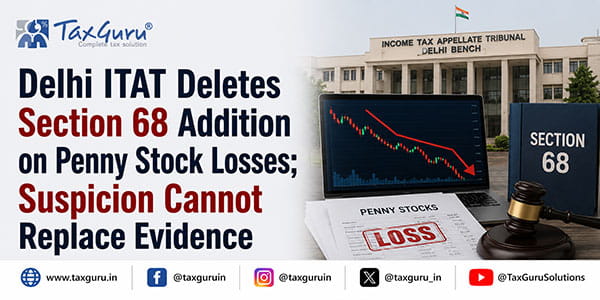
Income Tax
Delhi ITAT Deletes Section 68 Addition on Penny Stock Losses; Suspicion Cannot Replace Evidence
Income Tax
Income Tax
Delhi ITAT Deletes Section 68 Addition as Loan Was Paid Directly to Government
Income Tax
Income Tax
Delhi ITAT Deletes Section 68 Addition as AO Failed to Conduct Independent Enquiry
Income Tax
Income Tax
Delhi ITAT Upholds Denial of Agricultural Income Exemption; Section 68 Issue Remanded
Income Tax
Income Tax
ITAT Deletes Section 68 Additions After Assessee Discharges Primary Onus on Share Capital & Loans
Income Tax
Income Tax
ITAT Upholds Denial of Section 10(38) Exemption on SRK Industries Shares
Income Tax
Income Tax
ITAT Deletes Section 68 Addition on Recorded Cash Sales During Demonetisation
Explore the latest Section 68 updates on TaxGuru, including relevant Income-tax Act provisions, rules, notifications, circulars, judicial decisions and compliance guidance. The coverage highlights important tax positions, procedural requirements, assessments, deductions, penalties and litigation developments to help taxpayers and professionals understand the practical implications of changes in income-tax law.

