
#Section 68
Log in to FollowLatest Section 68 updates, provisions, case laws, compliance requirements, tax implications and expert analysis under Income-tax law on TaxGuru.
Income Tax
Income Tax
ITAT Mumbai Deletes Section 68 Addition Based on Already Disclosed Commodity Profit
Income Tax
Income Tax
Suspicion Cannot Replace Evidence in Penny-Stock LTCG Cases: Madras HC deletes addition
Income Tax
Income Tax
Wrong Sanction, Facts & Double Addition Sink ₹1,053 Crore Reassessment
Income Tax
Income Tax
Software Migration Cannot Migrate Cash into Unexplained Money: ITAT Bangalore
Income Tax
Income Tax
ITAT Rejects Search-Based Suspicion, Upholds Deletion of ₹28.50 Crore Addition U/s 68
Income Tax
Income Tax
Section 68 Additions Deleted After Proving Share Capital Identity and Genuineness: ITAT Kolkata
Income Tax
Income Tax
ITAT Deletes ₹2.94 Crore Section 68 Addition on Explained SBN Deposits
Income Tax
Income Tax
ITAT Restores ₹1.11 Crore Appeal After NFAC Ignored Portal Acknowledgement
Income Tax
Income Tax
ITAT Mumbai Deletes Section 68 Addition Where Third-Party Material Lacked Transaction Nexus
Income Tax
Income Tax
ITAT Raipur Quashes Section 148A(b) Notice for Lack of Seven Clear Days
Income Tax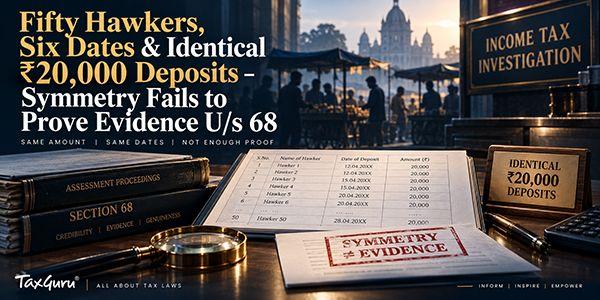
Income Tax
Fifty Hawkers, Six Dates & Identical ₹20,000 Deposits-Symmetry Fails to Prove Evidence U/s 68
Income Tax
Income Tax
Section 68 Additions Cannot Rest Solely on Investigation Report: ITAT Mumbai
Income Tax
Income Tax
Third-Party Statement Alone Insufficient for ₹4 Cr Section 68 Addition: ITAT Mumbai
Income Tax
Income Tax
ITAT Pune Deletes Rs. 29.61 Crore Section 68 Addition on Partners’ Capital
Explore the latest Section 68 updates on TaxGuru, including relevant Income-tax Act provisions, rules, notifications, circulars, judicial decisions and compliance guidance. The coverage highlights important tax positions, procedural requirements, assessments, deductions, penalties and litigation developments to help taxpayers and professionals understand the practical implications of changes in income-tax law.

