
#Section 68
Log in to FollowLatest Section 68 updates, provisions, case laws, compliance requirements, tax implications and expert analysis under Income-tax law on TaxGuru.
Income Tax
Income Tax
ITAT Deletes Section 69A Addition on Demonetisation Cash Deposits From Recorded Jewellery Sales
Income Tax
Income Tax
ITAT Quashes ₹2.74 Crore Section 68 Addition on Cash Deposits Supported by Books
Income Tax
Income Tax
ITAT Deletes Section 68 Addition on Recorded Jewellery Cash Sales
Income Tax
Income Tax
ITAT Upholds Deletion of Section 68 Addition on Demonetisation Jewellery Sales
Income Tax
Income Tax
Trade Advances Converted into Sales Cannot Be Taxed Under Section 68: ITAT Chennai
Income Tax
Income Tax
Ad Hoc Addition Without Speaking Order Cannot Be Sustained: ITAT Lucknow
Income Tax
Income Tax
NFAC Order Set Aside for Denial of Requested Virtual Hearing: Delhi HC
Income Tax
Income Tax
ITAT Remands Shalimar Agro & G-Tech Share LTCG Dispute for Fresh Verification
Income Tax
Income Tax
ITAT Upholds Bogus LTCG Addition on Tanu Health Care & Comfort Intech Shares
Income Tax
Income Tax
ITAT Surat Deletes Section 68 Addition on Loan Repaid Within Same Financial Year
Income Tax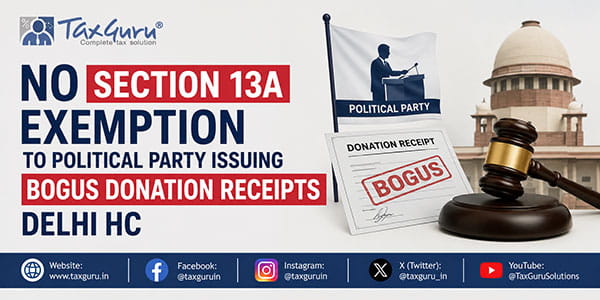
Income Tax
No Section 13A Exemption to Political Party Issuing Bogus Donation Receipts: Delhi HC
Income Tax
Income Tax
ITAT Mumbai Allows Section 10(38) Exemption on JMD Telefilms Share Sale
Income Tax
Income Tax
Reopening Based on Incorrect CCM Information Quashed with Section 68 Addition: ITAT Kolkata
Income Tax
Income Tax
Earlier Loan Repayment via Bank Not Taxable Under Section 68: ITAT Mumbai
Explore the latest Section 68 updates on TaxGuru, including relevant Income-tax Act provisions, rules, notifications, circulars, judicial decisions and compliance guidance. The coverage highlights important tax positions, procedural requirements, assessments, deductions, penalties and litigation developments to help taxpayers and professionals understand the practical implications of changes in income-tax law.

