
#Section 68
Log in to FollowLatest Section 68 updates, provisions, case laws, compliance requirements, tax implications and expert analysis under Income-tax law on TaxGuru.
Income Tax
Income Tax
ITAT Quashes Reassessment Under Section 147 for Change of Opinion on Share Premium
Income Tax
Income Tax
Section 263 Valid for Wrong Section Applied to Bogus Purchases: ITAT Mumbai
Income Tax
Income Tax
Section 68 Addition Deleted on Property Advance Received & Refunded Through Banking Channels: ITAT Mumbai
Income Tax
Income Tax
Section 68 Addition Deleted on Genuine Penny Stock Transaction
Income Tax
Income Tax
Mumbai ITAT Deletes ₹14 Lakh Accommodation Entry Addition; Search Report Alone Insufficient
Income Tax
Income Tax
Delhi ITAT Deletes Section 68 Addition on Opening Loan Balance, Cancels Penalty
Income Tax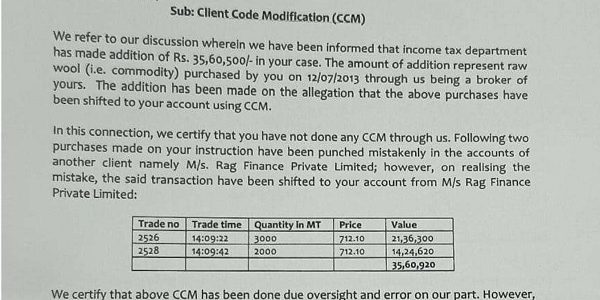
Income Tax
Mumbai ITAT Deletes ₹35.60 Lakh CCM Addition; Investigation Wing Information Alone Not Enough
Income Tax
Income Tax
ITAT Sets Aside Section 263 Revision on Issues Beyond Reassessment Scope
Income Tax
Income Tax
Penny Stock LTCG Exemption Cannot Be Denied Solely on Investigation Wing Report: ITAT Mumbai
Income Tax
Income Tax
LTCG Exemption Cannot Be Denied Solely on Investigation Wing Report: ITAT Mumbai
Income Tax
Income Tax
ITAT Ahmedabad Deletes Section 68 Addition on Shree Shaleen LTCG
Income Tax
Income Tax
ITAT Restricts Demonetisation Cash Deposit Addition to ₹5 Lakh, Rejects Section 115BBE Tax
Income Tax
Income Tax
Allahabad HC Remands Section 153A Cases to ITAT Over Incriminating Material Findings
Income Tax
Income Tax
Varanasi ITAT Quashes Reassessment; Earlier Assessment Had Examined Same Bank Account
Explore the latest Section 68 updates on TaxGuru, including relevant Income-tax Act provisions, rules, notifications, circulars, judicial decisions and compliance guidance. The coverage highlights important tax positions, procedural requirements, assessments, deductions, penalties and litigation developments to help taxpayers and professionals understand the practical implications of changes in income-tax law.

