
#Section 68
Log in to FollowLatest Section 68 updates, provisions, case laws, compliance requirements, tax implications and expert analysis under Income-tax law on TaxGuru.
Income Tax
Income Tax
Delhi ITAT: Demonetisation Addition Deleted Despite No Cash Balance in Earlier Section 44AD ITRs
Income Tax
Income Tax
ITAT Deletes 200% Penalty on Disallowed Section 80GGC Political Donation Claim
Income Tax
Income Tax
Gujarat HC Upholds Section 10(38) Exemption as LTCG Was Supported by Evidence
Income Tax
Income Tax
ITAT Mumbai Deletes Section 68 Addition on Sunrise Asian Shares LTCG Claim
Income Tax
Income Tax
Bombay HC Upholds Deletion of Section 68 Addition as Creditworthiness Was Established
Income Tax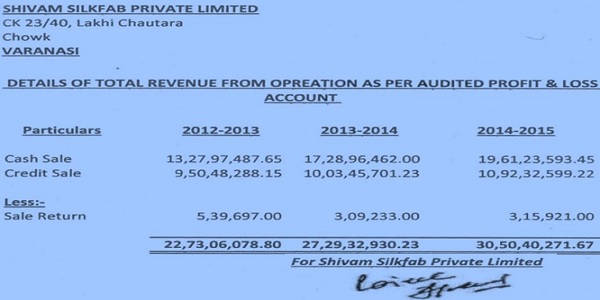
Income Tax
ITAT Varanasi Deletes Section 68 Addition on Cash Sales Already Accounted as Turnover
Income Tax
Income Tax
ITAT Delhi Deletes ₹4 Crore Addition Based on Uncorroborated Third-Party WhatsApp Chats
Income Tax
Income Tax
Client Code Modification Alone Cannot Justify Section 68 Addition: ITAT Mumbai
Income Tax
Income Tax
ITAT Chennai Quashes Reassessment as No Addition Was Made on Recorded Reason
Income Tax
Income Tax
ITAT Raipur: Ad Hoc Wage Disallowance Cut to ₹1 Lakh; Section 68 Additions Deleted
Income Tax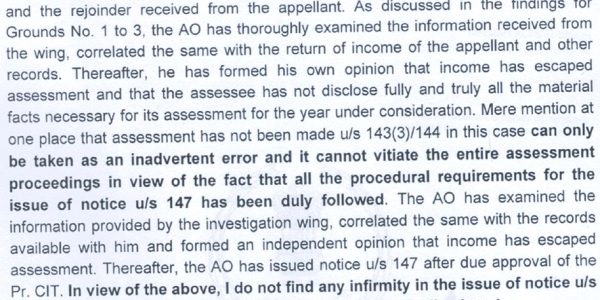
Income Tax
ITAT Pune Quashes Reassessment Based on Wrong Facts and Borrowed Satisfaction
Income Tax
Income Tax
ITAT Mumbai Deletes Section 68 Addition on Genuine Penny Stock LTCG Claim
Income Tax
Income Tax
ITAT Allows Section 10(38) LTCG Exemption on Sunrise Asian Shares
Income Tax
Income Tax
Delhi ITAT: Section 115BBC Applies Only if Donor Denies Donation
Explore the latest Section 68 updates on TaxGuru, including relevant Income-tax Act provisions, rules, notifications, circulars, judicial decisions and compliance guidance. The coverage highlights important tax positions, procedural requirements, assessments, deductions, penalties and litigation developments to help taxpayers and professionals understand the practical implications of changes in income-tax law.

