Corporate Law : This article explains how consumer law regulates brand endorsements. The key takeaway is that endorsers face penalties only when m...
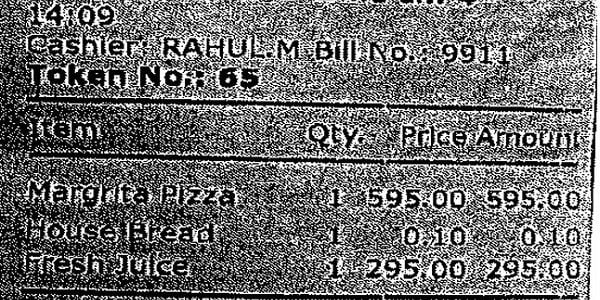
Corporate Law : Authorities have clarified that compulsory service charges violate consumer law, reaffirming that tips must be voluntary and canno...
Corporate Law : Overview of the Consumer Protection Act 2019, its key definitions, the establishment of CCPA, product liability, and penalties for...
Corporate Law : भारत में बढ़ते हुए बाजार के प्रभाव को देखते हुए भा...
Corporate Law : Explore the Supreme Court's landmark ruling on corporate claims under the Consumer Protection Act, 1986, redefining 'person' and e...
Corporate Law : CCPA imposed ₹1 lakh penalties on two food companies for using misleading 100% claims that did not match the actual composition ...
Corporate Law : The government has exempted smaller edible oil packs and minor edible oils from standardisation requirements. The exemption is aim...
Corporate Law : CCPA fined digital platforms for using interface designs that influenced consumer choices without clear and informed consent. The ...
Corporate Law : The CCPA imposed penalties on coaching institutes after finding that advertisements highlighted successful candidates while hiding...
Corporate Law : The regulator held that selective disclosure of course details and inflated success claims misled aspirants. The ruling reinforces...
Corporate Law : The CCPA ruled that incomplete product details, unverifiable regulatory credentials, and missing mandatory disclosures violated th...
Corporate Law : The CCPA held that automatically adding a service charge to restaurant bills violated the Consumer Protection Act and the CCPA Gui...
Corporate Law : CCPA held that advertising bread as 100% Whole Wheat despite containing only 87% wheat flour was misleading. The authority ordered...
Corporate Law : The Authority ruled that selectively withholding course information and presenting disclaimers in illegible font misled prospectiv...
Corporate Law : The CCPA held that failure to prominently disclose licensing requirements, frequency details, and regulatory approvals for walkie-...
Corporate Law : Standard pack sizes have been recommended for commonly used edible oils to reduce market inconsistencies and assist consumers in c...
Corporate Law : The Government has advised States and UTs not to impose fresh registration requirements on existing repairers merely because of re...
Corporate Law : The Department of Consumer Affairs has clarified that customary units like inches, feet, and dozen may be used as supplementary de...
Corporate Law : The 2026 amendment introduces detailed metrological, technical, and safety standards for non-automated blood pressure devices. The...
Corporate Law : The Ministry of Consumer Affairs is seeking comments on draft rules to amend the Legal Metrology (General) Rules for non-invasive ...
The Authority found that a pre-selected donation mechanism added charges unless consumers actively opted out, impairing informed choice and constituting an unfair trade practice.
CCPA held that a subscription renewal interface using the phrase Accept Risk amounted to multiple prohibited dark patterns, including confirm shaming and forced action. A penalty was imposed despite subsequent modifications to the interface.
The CCPA held that failure to disclose that many successful candidates attended only a free Interview Guidance Programme amounted to misleading advertising. The key takeaway is that coaching institutes must clearly disclose the nature of courses attended by successful students.
The Government has advised States and UTs not to impose fresh registration requirements on existing repairers merely because of revised procedures or regulatory changes. The move is aimed at reducing compliance burden and promoting ease of doing business.
The Department of Consumer Affairs has clarified that customary units like inches, feet, and dozen may be used as supplementary declarations alongside SI metric units. However, SI units will continue to remain the legally recognized standard under the Legal Metrology Act.
The CCPA imposed penalties on coaching institutes after finding that advertisements highlighted successful candidates while hiding the actual courses undertaken by them. The Authority held that such concealment amounted to misleading advertisements and unfair trade practices under the Consumer Protection Act, 2019.
The CCPA held that failure to disclose the specific courses attended by successful NEET and IIT-JEE candidates amounted to concealment of material information. The authority imposed a ₹5 lakh penalty and directed discontinuation of the advertisements.
CCPA held that sale of toys without mandatory BIS certification violated the Consumer Protection Act and Toys Quality Control Order. The Authority imposed a penalty and directed future compliance with mandatory standards.
Claims of high success rates in competitive exams were not supported by complete data or documentation. The decision emphasizes that unverifiable claims in advertisements amount to misleading representation and unfair trade practice.
The authority examined whether automatic service charges violate consumer rights. It ruled that default billing of such charges is coercive and constitutes an unfair trade practice. The case reinforces that service charges must remain voluntary.