Corporate Law : This article explains how consumer law regulates brand endorsements. The key takeaway is that endorsers face penalties only when m...
Corporate Law : Authorities have clarified that compulsory service charges violate consumer law, reaffirming that tips must be voluntary and canno...
Corporate Law : Overview of the Consumer Protection Act 2019, its key definitions, the establishment of CCPA, product liability, and penalties for...
Corporate Law : भारत में बढ़ते हुए बाजार के प्रभाव को देखते हुए भा...
Corporate Law : Explore the Supreme Court's landmark ruling on corporate claims under the Consumer Protection Act, 1986, redefining 'person' and e...
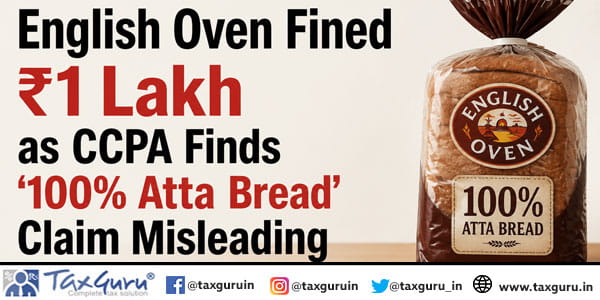
Corporate Law : CCPA imposed ₹1 lakh penalties on two food companies for using misleading 100% claims that did not match the actual composition ...
Corporate Law : The government has exempted smaller edible oil packs and minor edible oils from standardisation requirements. The exemption is aim...
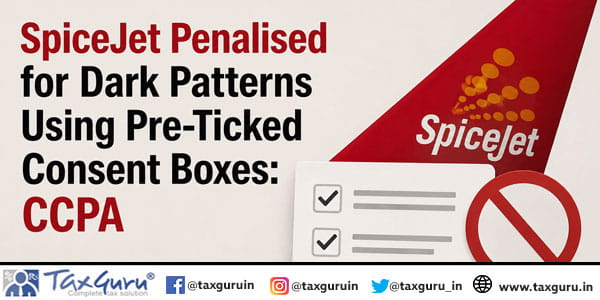
Corporate Law : CCPA fined digital platforms for using interface designs that influenced consumer choices without clear and informed consent. The ...
Corporate Law : The CCPA imposed penalties on coaching institutes after finding that advertisements highlighted successful candidates while hiding...
Corporate Law : The regulator held that selective disclosure of course details and inflated success claims misled aspirants. The ruling reinforces...
Corporate Law : The CCPA ruled that incomplete product details, unverifiable regulatory credentials, and missing mandatory disclosures violated th...
Corporate Law : The CCPA held that automatically adding a service charge to restaurant bills violated the Consumer Protection Act and the CCPA Gui...
Corporate Law : CCPA held that advertising bread as 100% Whole Wheat despite containing only 87% wheat flour was misleading. The authority ordered...
Corporate Law : The Authority ruled that selectively withholding course information and presenting disclaimers in illegible font misled prospectiv...
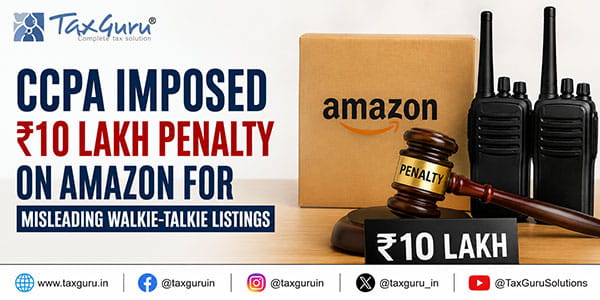
Corporate Law : The CCPA held that failure to prominently disclose licensing requirements, frequency details, and regulatory approvals for walkie-...
Corporate Law : Standard pack sizes have been recommended for commonly used edible oils to reduce market inconsistencies and assist consumers in c...
Corporate Law : The Government has advised States and UTs not to impose fresh registration requirements on existing repairers merely because of re...
Corporate Law : The Department of Consumer Affairs has clarified that customary units like inches, feet, and dozen may be used as supplementary de...
Corporate Law : The 2026 amendment introduces detailed metrological, technical, and safety standards for non-automated blood pressure devices. The...
Corporate Law : The Ministry of Consumer Affairs is seeking comments on draft rules to amend the Legal Metrology (General) Rules for non-invasive ...
The CCPA held that specific developmental claims such as early crawling and walking were misleading as they lacked scientific studies or quantified data. Disclaimers and testimonials were found insufficient to justify outcome-based advertising.
The CCPA held that failure to disclose the specific courses undertaken by successful UPSC candidates amounted to misleading advertisement and a violation of consumer rights, warranting a higher penalty as a repeat offence.
This article explains how consumer law regulates brand endorsements. The key takeaway is that endorsers face penalties only when misleading claims are proven without due diligence.
Failure to make service charge voluntary and to address consumer complaints was held to breach statutory consumer rights. Software modification and penalty were directed.
The consumer authority ruled that adding service charge by default, even after clear judicial guidance, violates consumer rights. Full refund and a monetary penalty were ordered, reinforcing that service charges must be voluntary.
Authorities have clarified that compulsory service charges violate consumer law, reaffirming that tips must be voluntary and cannot be added by default to bills.
The 2026 amendment introduces detailed metrological, technical, and safety standards for non-automated blood pressure devices. The key takeaway is mandatory compliance with precise accuracy limits, testing protocols, and durability requirements.
The regulator held that selective disclosure of course details and inflated success claims misled aspirants. The ruling reinforces strict accountability for deceptive educational advertisements.
The Supreme Court applied the dominant-purpose principle and concluded that an established company buying specialized process-automation software cannot claim it was for personal or self-employment use. The transaction clearly supported larger commercial operations.
The NCDRC ruled in favor of SBI Life, stating no insurance contract was formed since the insurer had not communicated its acceptance before the proposer’s death.