
Type: Trending
3,627 articlesIncome Tax
Income Tax
Lower GP Alone Cannot Justify Profit Estimation Without Rejection of Books: ITAT Mumbai
Income Tax
Income Tax
No Bills Does Not Mean No Building—ITAT Restores Section 54F Claim
Income Tax
Income Tax
Wrong Sanction, Facts & Double Addition Sink ₹1,053 Crore Reassessment
Income Tax
Income Tax
Retracted Statements and Unverified Tally Data Cannot Prove Cash Loans: ITAT Mumbai
Goods and Services Tax
Goods and Services Tax
GSTAT Quashes Section 129 Penalty Where E-Way Bill Reuse Was Not Proved
Income Tax
Income Tax
Fifty Hawkers, Six Dates & Identical ₹20,000 Deposits-Symmetry Fails to Prove Evidence U/s 68
Income Tax
Income Tax
ITAT Deletes ₹7.5 Cr Section 69C Addition on Recorded Consultancy Expenses
Income Tax
Income Tax
Section 68 Additions Cannot Rest Solely on Investigation Report: ITAT Mumbai
Corporate Law
Corporate Law
SC Treats Blind Employee as 100% Functionally Disabled, Awards ₹3.78 Crore
Income Tax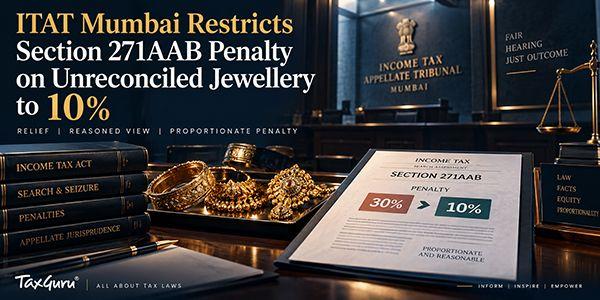
Income Tax
ITAT Mumbai Restricts Section 271AAB Penalty on Unreconciled Jewellery to 10%
Income Tax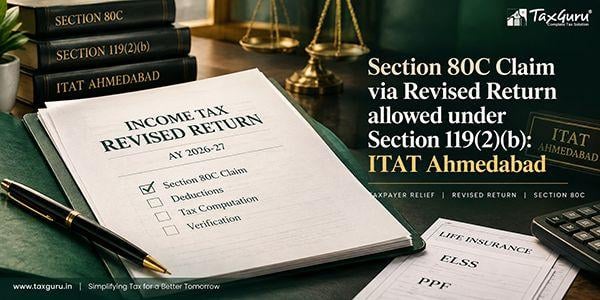
Income Tax
Section 80C Claim via Revised Return allowed under Section 119(2)(b): ITAT Ahmedabad
Goods and Services Tax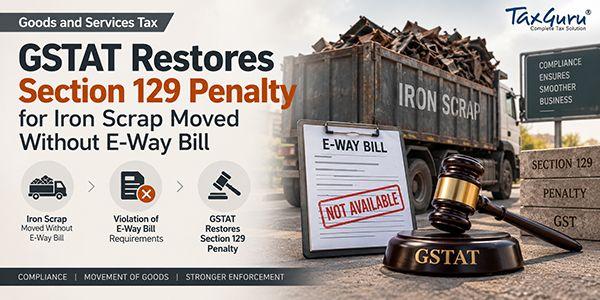
Goods and Services Tax
GSTAT Restores Section 129 Penalty for Iron Scrap Moved Without E-Way Bill
Goods and Services Tax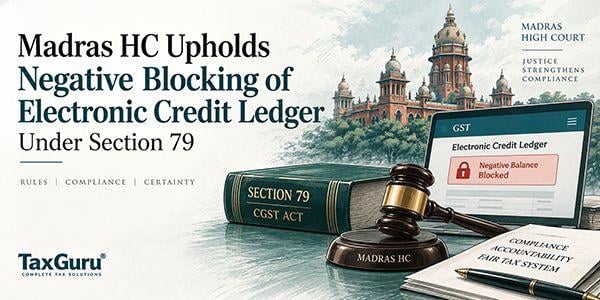
Goods and Services Tax
Madras HC Upholds Negative Blocking of Electronic Credit Ledger Under Section 79
Income Tax
Income Tax

