
Type: Trending
3,627 articlesGoods and Services Tax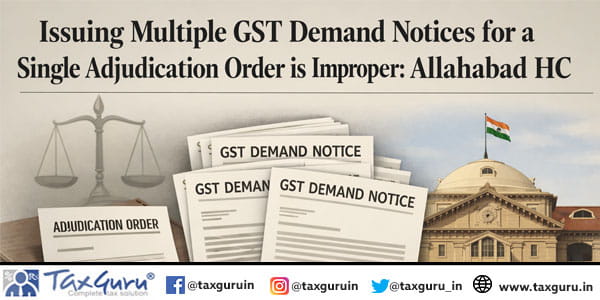
Goods and Services Tax
Issuing multiple GST demand notices for a single adjudication order is improper: Allahabad HC
Income Tax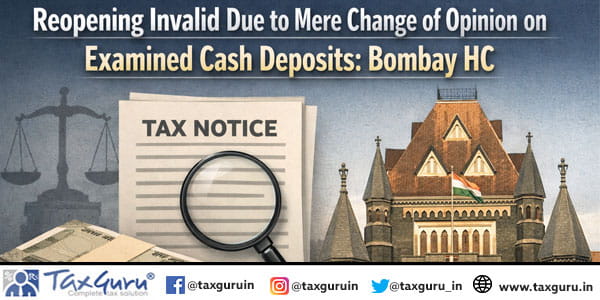
Income Tax
Reopening Invalid Due to Mere Change of Opinion on Examined Cash Deposits: Bombay HC
Income Tax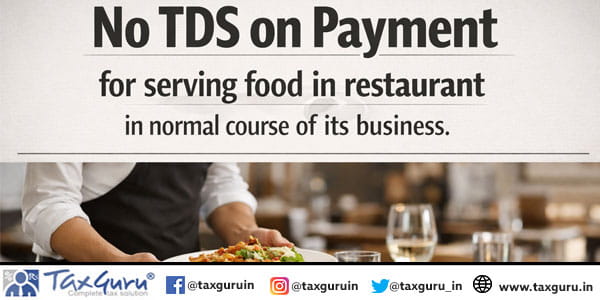
Income Tax
No TDS on Payment for serving food in restaurant in normal course of its business
Fema / RBI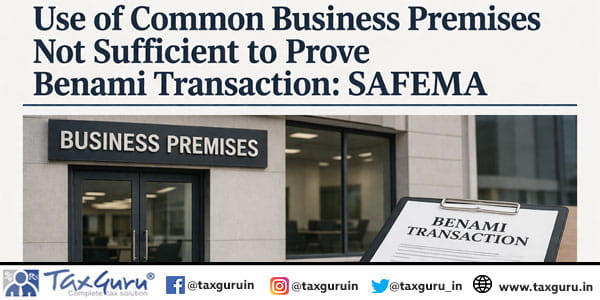
Fema / RBI
Use of Common Business Premises Not Sufficient to Prove Benami Transaction: SAFEMA
Income Tax
Income Tax
Addition Reduced as AO Failed to Disprove Books but Assessee cannot Fully Explain Cash Surge
Company Law
Company Law
Export Policy on Strategic Minerals Falls Outside Competition Law Due to Sovereign Function: NCLAT Delhi
Goods and Services Tax
Goods and Services Tax
GST Confiscation Invalid Without Proof of Intent to Evade Tax & for Bypassing Section 129 Procedure
Income Tax
Income Tax
Set-Off of Capital Loss Beyond 8 Years Denied; 50% Deduction on Interest Allowed: ITAT Panaji
Income Tax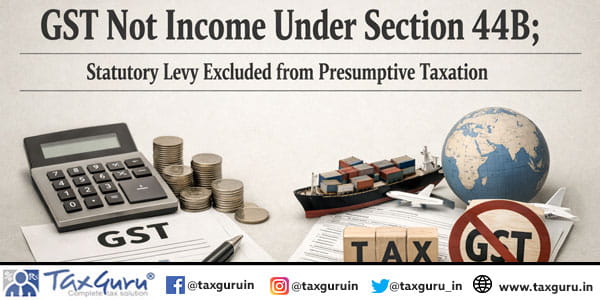
Income Tax
GST Not Income Under Section 44B; Statutory Levy Excluded from Presumptive Taxation
Income Tax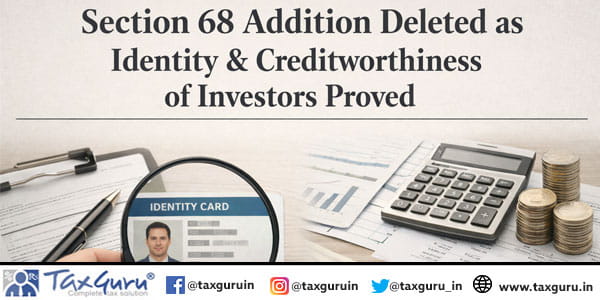
Income Tax
Section 68 Addition Deleted as Identity & Creditworthiness of Investors Proved
Income Tax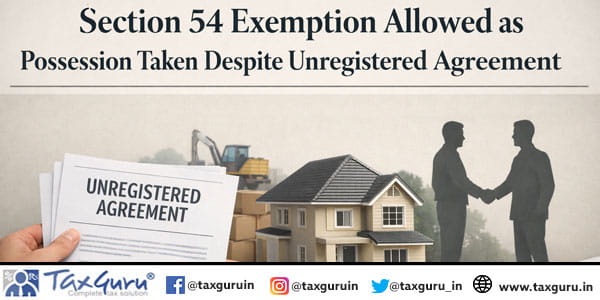
Income Tax
Section 54 Exemption Allowed as Possession Taken Despite Unregistered Agreement
Income Tax
Income Tax
Invalid Jurisdiction Under Section 153C Due to Vague Satisfaction Note for Multiple Years
Income Tax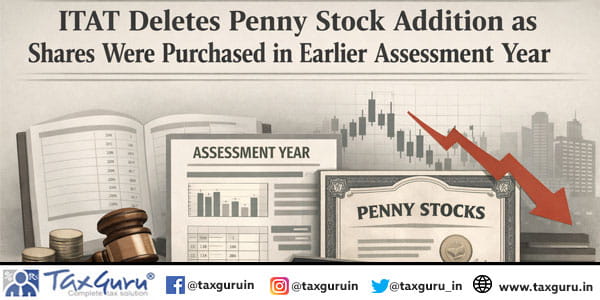
Income Tax
ITAT Deletes Penny Stock Addition as Shares Were Purchased in Earlier Assessment Year
Income Tax
Income Tax

