
Type: Trending
3,627 articlesIncome Tax
Income Tax
Section 68 Addition Upheld as Credit Entry Year Determines Taxability not year of Receipt in Bank
Income Tax
Income Tax
Section 87A Deduction Allowed as Income Below Rs 7 Lakh Despite Computation Errors
Income Tax
Income Tax
Addition Based on Third-Party Software Data Invalid Without Cross-Examination: ITAT Mumbai
Income Tax
Income Tax
Procedural Lapse Cannot Override Substantive Claim: ITAT Allows Depreciation Correction
Income Tax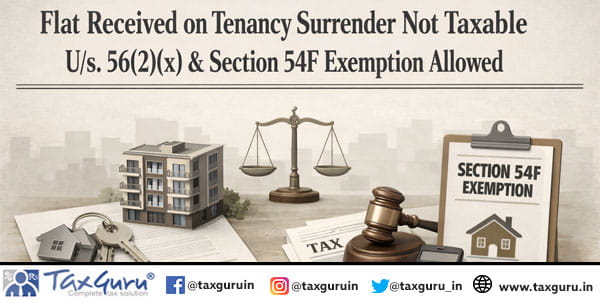
Income Tax
Flat Received on Tenancy Surrender Not Taxable U/s. 56(2)(x) & Section 54F Exemption allowed
Income Tax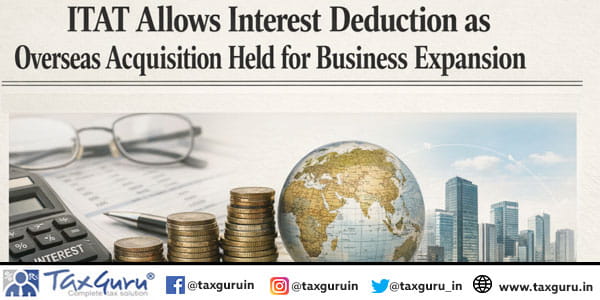
Income Tax
ITAT Allows Interest Deduction as Overseas Acquisition Held for Business Expansion
Goods and Services Tax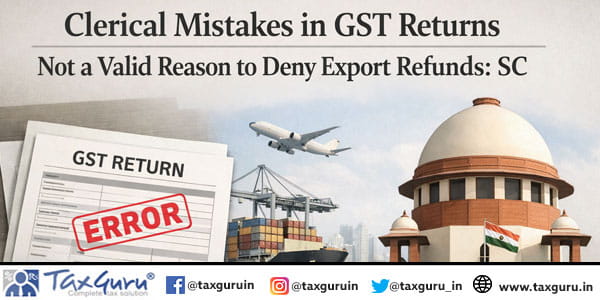
Goods and Services Tax
Clerical Mistakes in GST Returns Not a Valid Reason to Deny Export Refunds: SC
Goods and Services Tax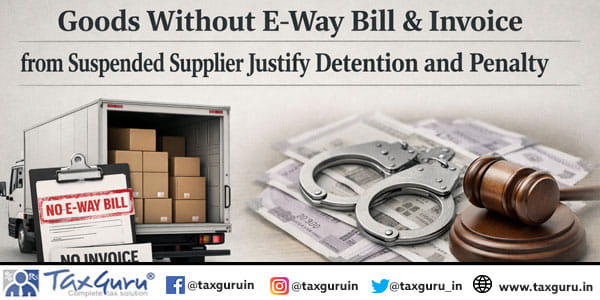
Goods and Services Tax
Goods Without E-Way Bill & Invoice from Suspended Supplier Justify Detention and Penalty
Income Tax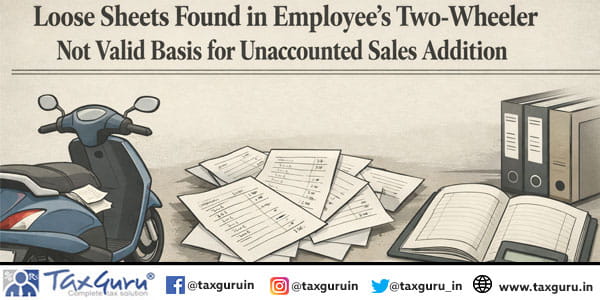
Income Tax
Loose Sheets Found in Employee’s Two-Wheeler Not Valid Basis for Unaccounted Sales Addition
Income Tax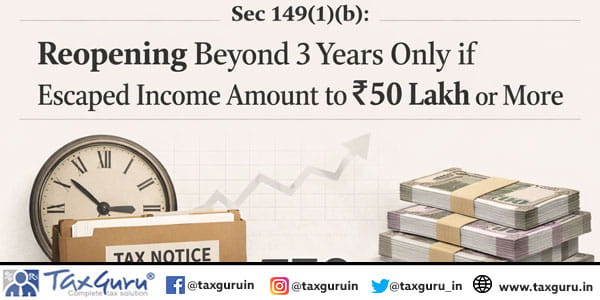
Income Tax
Sec 149(1)(b): Reopening Beyond 3 Years Only if Escaped Income amount to ₹50 lakh or more
Goods and Services Tax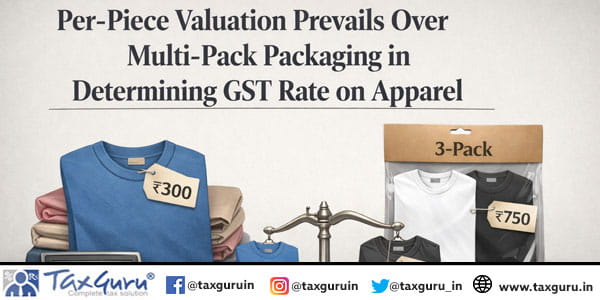
Goods and Services Tax
Per-Piece Valuation Prevails Over Multi-Pack Packaging in Determining GST Rate on Apparel
Income Tax
Income Tax
Sec 263 Invalid Where PCIT Didn’t Challenge Sec 153D Approval in 153C Case
Income Tax
Income Tax
On-Money Addition Deleted; Third Party Excel Statement Not Enough Without Proof
Income Tax
Income Tax

