
Type: Trending
3,627 articlesGoods and Services Tax
Goods and Services Tax
Pigmy agents are employees of Bank and not business facilitators hence no GST leviable on commission
Goods and Services Tax
Goods and Services Tax
1394-Day Delay Due to Spiritual Jain Diksha of Counsel – Appellant Gets Conditional Relief with Cost
Income Tax
Income Tax
No Sections 12AB and 80G denial if No Evidence of Community Bias or Non-Genuine Activities
Excise Duty
Excise Duty
Penalty Upheld for Invoice Without Supply Due to Evidence of Paper Transactions
Goods and Services Tax
Goods and Services Tax
GST Registration cannot be cancelled for NIL Return: Uttarakhand HC
Income Tax
Income Tax
Undisclosed Income Additions Quashed as Revenue Failed to Corroborate Diary Entries
Goods and Services Tax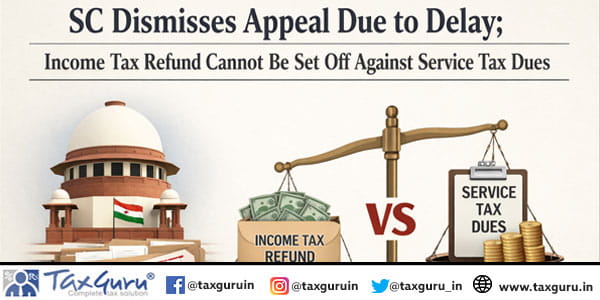
Goods and Services Tax
SC Dismisses Appeal Due to Delay; Income Tax Refund Cannot Be Set Off Against Service Tax Dues
Goods and Services Tax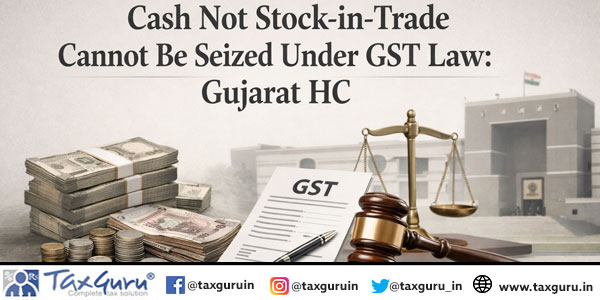
Goods and Services Tax
Cash Not Stock-in-Trade Cannot Be Seized Under GST Law: Gujarat HC
Goods and Services Tax
Goods and Services Tax
GST Order Quashed as it was Passed Before Scheduled Hearing Date: Bombay HC
Income Tax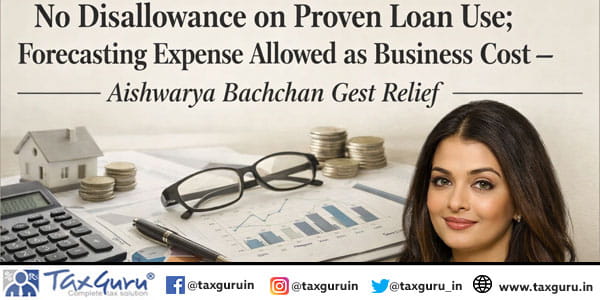
Income Tax
No Disallowance on Proven Loan Use; Forecasting Expense Allowed as Business Cost – Aishwarya Bachchan Gest Relief
Income Tax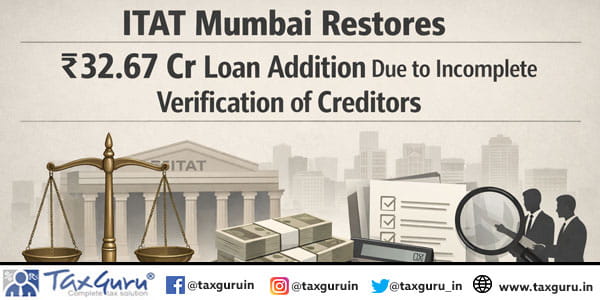
Income Tax
ITAT Mumbai Restores ₹32.67 Cr Loan Addition Due to Incomplete Verification of Creditors
Goods and Services Tax
Goods and Services Tax
Search Authorizing Officer Cannot Decide Appeal, GST Order Quashed by Rajasthan HC
Income Tax
Income Tax
CPC Cannot Reduce TDS Credit Based on Turnover Differences in 26AS: ITAT Delhi
Goods and Services Tax
Goods and Services Tax

