
Type: Trending
3,624 articlesIncome Tax
Income Tax
Include Previous Owner’s Holding Period for Inherited Property; Section 54EC Relief Allowed: ITAT Ahmedabad
Income Tax
Income Tax
ITAT Mumbai Deletes LTCG Addition as No Evidence of Share Transaction Being Bogus
Income Tax
Income Tax
Section 54F Deduction Allowed as Investment in Under-Construction Property Treated as Construction
Income Tax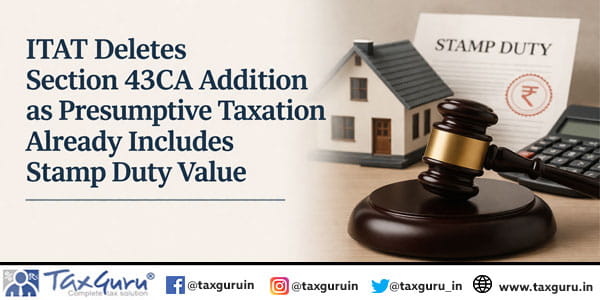
Income Tax
ITAT Deletes Section 43CA Addition as Presumptive Taxation Already Includes Stamp Duty Value
Income Tax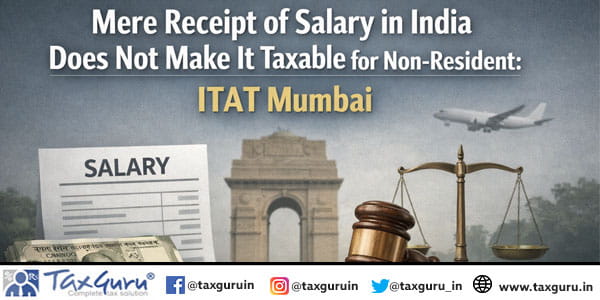
Income Tax
Mere Receipt of Salary in India Does Not Make It Taxable for Non-Resident: ITAT Mumbai
Goods and Services Tax
Goods and Services Tax
Bombay HC Set Aside Interest Orders as Calculation Not As Per Section 56 of CGST Act
Goods and Services Tax
Goods and Services Tax
Meghalaya HC Set Aside Ex-Parte GST Order as SCN Not Properly Served
Goods and Services Tax
Goods and Services Tax
Gujarat HC Questions Non-Functional GST Tribunal, Seeks Govt Response
Goods and Services Tax
Goods and Services Tax
Allahabad HC Quashed GST Penalty Order as Valid Invoice & E-Way Bill Established Ownership
Goods and Services Tax
Goods and Services Tax
Allahabad HC: Goods Release Ordered as Invoice Value Applies Under Sec. 129(1)(a)
Income Tax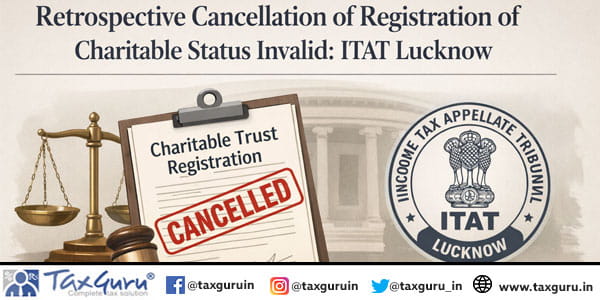
Income Tax
Retrospective cancellation of registration of Charitable Status invalid: ITAT Lucknow
Income Tax
Income Tax
Section 68 Addition Upheld as Credit Entry Year Determines Taxability not year of Receipt in Bank
Income Tax
Income Tax
Section 87A Deduction Allowed as Income Below Rs 7 Lakh Despite Computation Errors
Income Tax
Income Tax

