
Type: Trending
3,627 articlesIncome Tax
Income Tax
Only Real Net Online Gaming Winnings Taxable Under Section 115BB: ITAT Chennai
Income Tax
Income Tax
ITAT Delhi Deletes ₹2.82 Crore Bogus Purchase Addition for Lack of AO Investigation
Corporate Law
Corporate Law
Partner’s Right in Unsold Firm Assets Survives Until Actual Settlement: SC
Income Tax
Income Tax
Penny Stock Label Alone Cannot Convert Exempt LTCG Into Section 68 Addition: Delhi ITAT
Income Tax
Income Tax
Rent Paid to Earn Subletting Income Deductible Under Section 57: ITAT Delhi
Income Tax
Income Tax
Investigation Report Alone Cannot Sustain ₹2 Crore Section 68 Addition: ITAT Mumbai
Income Tax
Income Tax
Section 12AB Renewal Cannot End Over One Missed Email: ITAT Mumbai
Income Tax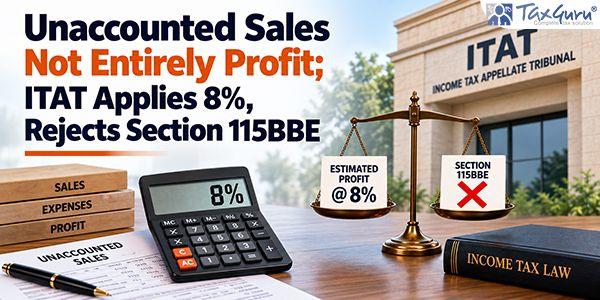
Income Tax
Unaccounted Sales Not Entirely Profit; ITAT Applies 8%, Rejects Section 115BBE
Income Tax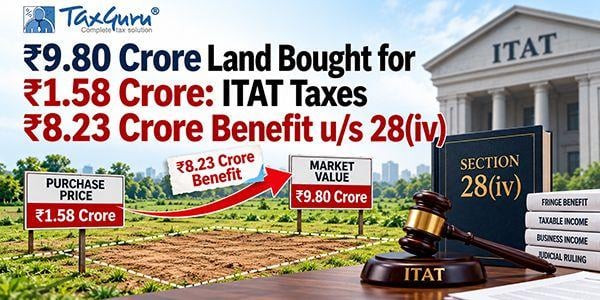
Income Tax
₹9.80 Crore Land Bought for ₹1.58 Crore: ITAT Taxes ₹8.23 Crore Benefit u/s 28(iv)
Income Tax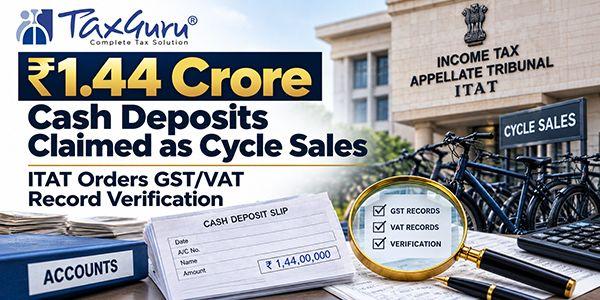
Income Tax
₹1.44 Crore Cash Deposits Claimed as Cycle Sales: ITAT Orders GST/VAT Record Verification
Goods and Services Tax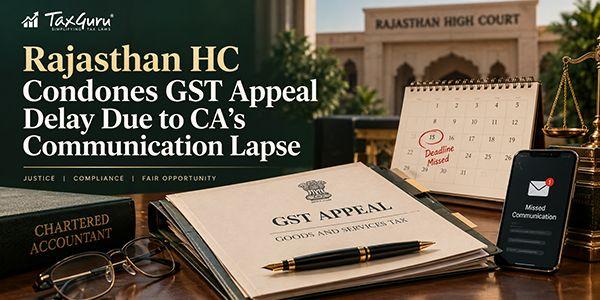
Goods and Services Tax
Rajasthan HC Condones GST Appeal Delay Due to CA’s Communication Lapse
Income Tax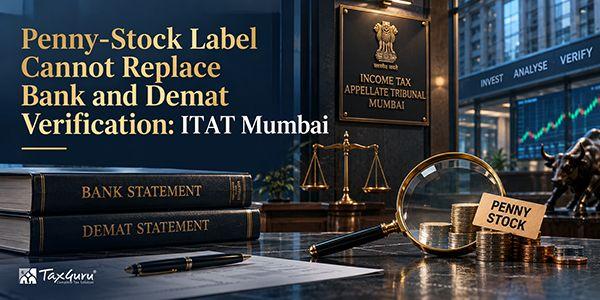
Income Tax
Penny-Stock Label Cannot Replace Bank and Demat Verification: ITAT Mumbai
Income Tax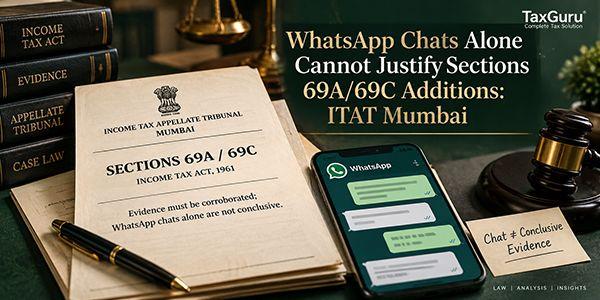
Income Tax
WhatsApp Chats Alone Cannot Justify Sections 69A/69C Additions: ITAT Mumbai
Goods and Services Tax
Goods and Services Tax

