
Type: Trending
3,627 articlesCorporate Law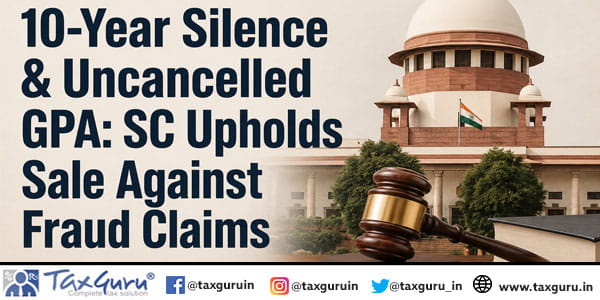
Corporate Law
10-Year Silence & Uncancelled GPA: SC Upholds Sale Against Fraud Claims
Income Tax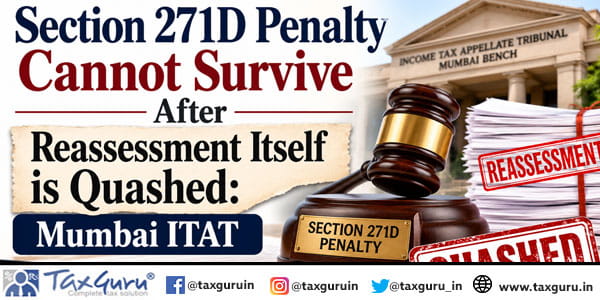
Income Tax
Section 271D Penalty Cannot Survive After Reassessment Itself is Quashed: Mumbai ITAT
Income Tax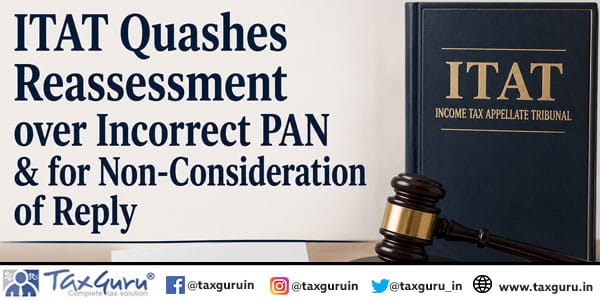
Income Tax
ITAT Quashes Reassessment over Incorrect PAN & for Non-Consideration of Reply
Goods and Services Tax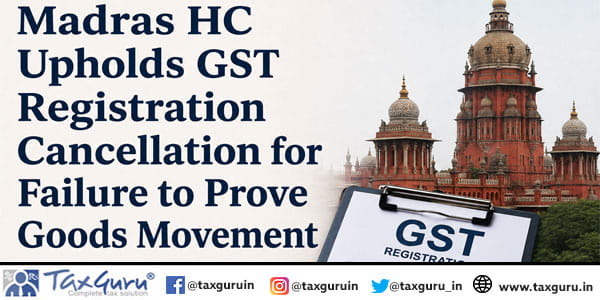
Goods and Services Tax
Madras HC Upholds GST Registration Cancellation for Failure to Prove Goods Movement
Goods and Services Tax
Goods and Services Tax
Rose Water Taxable at 18% GST Because It Was Not Recognised as Puja Samagri
Goods and Services Tax
Goods and Services Tax
18% GST applies on Temple Hair Collection Licence Due to Commercial Activity
Income Tax
Income Tax
Penny Stock Addition Cannot Be Sustained Without Proper Examination of Evidence: ITAT Delhi
Income Tax
Income Tax
WhatsApp Group Led to Tax Relief: Chennai ITAT Condoned 1592-Day Delay in BSNL VRS Case
Income Tax
Income Tax
Agricultural Land Also Covered Under Section 56(2)(x): ITAT Surat
Income Tax
Income Tax
Section 69A Not Applicable to Recorded Bank Loans Tagged as Accommodation Entries: ITAT Mumbai
Custom Duty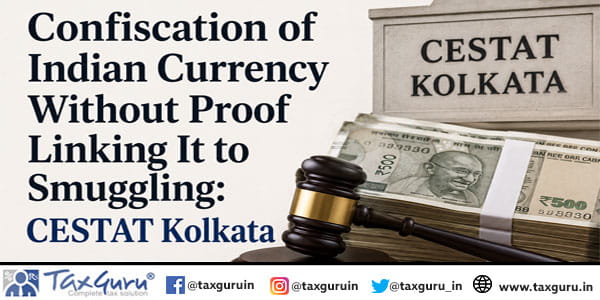
Custom Duty
No Confiscation of Indian Currency Without Proof Linking It to Smuggling: CESTAT Kolkata
Goods and Services Tax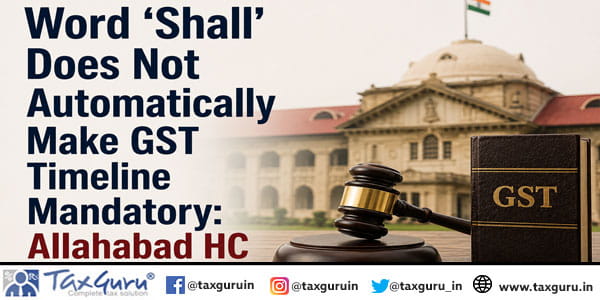
Goods and Services Tax
Use of Word ‘Shall’ Does Not Automatically Make GST Timeline Mandatory: Allahabad HC
Fema / RBI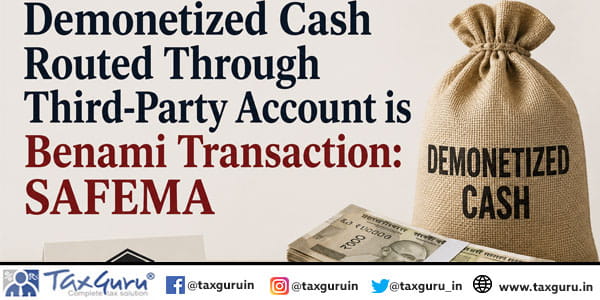
Fema / RBI
Demonetized Cash Routed Through Third-Party Account is Benami Transaction: SAFEMA
Fema / RBI
Fema / RBI

