
Type: Trending
3,627 articlesGoods and Services Tax
Goods and Services Tax
Email Denials by Flat Buyers Cannot Override Financial Records in GST Profiteering Case: GSTAT
Corporate Law
Corporate Law
Delhi Liquor Policy Case: CCI Orders Probe Into Alleged Anti-Competitive Retail & Wholesale Agreements
Income Tax
Income Tax
No Fresh Share Premium, No Section 68 Addition: ITAT Mumbai
Income Tax
Income Tax
Wrong Section Mention Is Curable, But Addition Needs Valid Legal Basis: ITAT Mumbai
Income Tax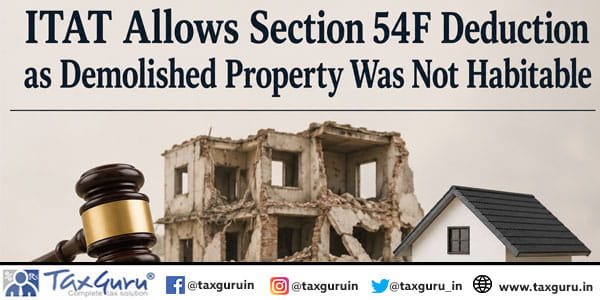
Income Tax
ITAT Allows Section 54F Deduction as Demolished Property Was Not Habitable
Goods and Services Tax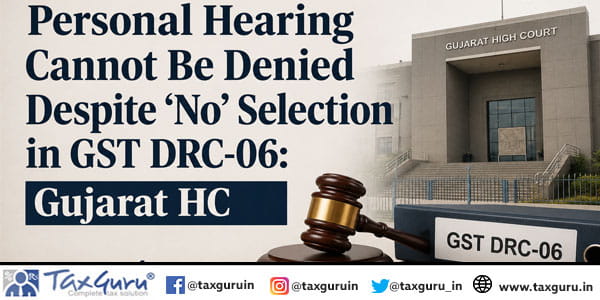
Goods and Services Tax
Personal Hearing Cannot Be Denied Despite ‘No’ Selection in GST DRC-06: Gujarat HC
Finance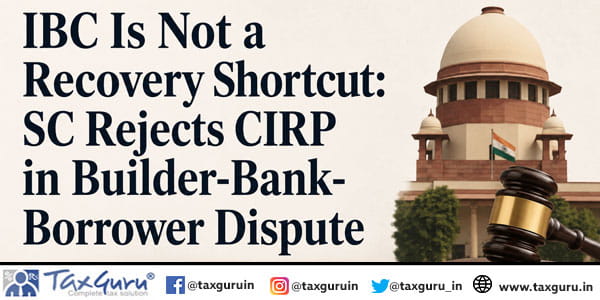
Finance
IBC Is Not a Recovery Shortcut: SC Rejects CIRP in Builder-Bank-Borrower Dispute
Income Tax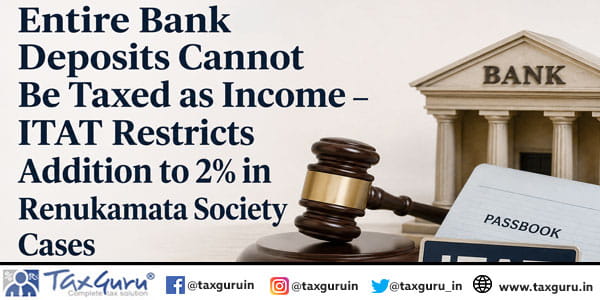
Income Tax
Entire Bank Deposits Cannot Be Taxed as Income – ITAT Restricts Addition to 2% in Renukamata Society Cases
Income Tax
Income Tax
Bogus Purchases Fully Disallowable as Supplier Was Found Non-Existent: ITAT Kolkata
Income Tax
Income Tax
Section 44AD Cannot Apply as Turnover Exceeded Prescribed ₹2 Crore Limit: ITAT Kolkata
Corporate Law
Corporate Law
Use of Honirifics ‘Hon’ble’ restricted to Sovereign Constitutional Functionaries: Allahabad HC
Goods and Services Tax
Goods and Services Tax
Negative ITC Blocking Illegal as Rule 86A Covers Only Available Credit: Bombay HC
Income Tax
Income Tax
FIFO Prevails: ITAT Mumbai Rejects “Cherry-Picked Shares” as Tax Avoidance
Income Tax
Income Tax

