
Type: Trending
3,627 articlesIncome Tax
Income Tax
Comparative Analysis Alone Cannot Justify Expense Disallowance: ITAT Mumbai
Goods and Services Tax
Goods and Services Tax
Bombay HC Upholds GST Arrest as Statutory Safeguards Were Followed
Corporate Law
Corporate Law
NCLT Orders Liquidation Because CoC Rejected Sole Resolution Plan During CIRP
Goods and Services Tax
Goods and Services Tax
Karnataka HC Sets Aside Duplicate GST Orders Passed for Same Tax Period
Income Tax
Income Tax
ITAT Denies Section 54B Exemption for Failure to Prove Actual Agricultural Use
Income Tax
Income Tax
No TCS on Illegal Mining Compounding Fees Under Section 206C(1C): SC
Income Tax
Income Tax
TCS Cannot Be Collected on Illegal Mining Compounding Fees: Chhattisgarh HC
Income Tax
Income Tax
ITAT Deletes Addition Because Stamp Duty Value Ignored Illegal Construction
Corporate Law
Corporate Law
Bail Prevails Over UAPA Bar in Long Incarceration Cases: SC
Income Tax
Income Tax
ITAT Rejects Addition Based on Excel File Entries Due to Lack of Direct Evidence
Goods and Services Tax
Goods and Services Tax
P&H HC Grants Bail to Assistant of CA in ₹66 Crore GST Fraud Case
Income Tax
Income Tax
Section 68 Addition Deleted – ITAT Says Investigation Wing Report Alone Cannot Prove Bogus Share Capital
Corporate Law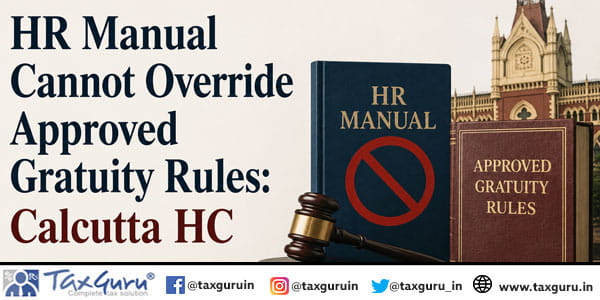
Corporate Law
HR Manual Cannot Override Approved Gratuity Rules: Calcutta HC
Income Tax
Income Tax

