
Type: Trending
3,627 articlesIncome Tax
Income Tax
Chhattisgarh HC Deletes Income Tax Addition as Estimated Yield Was Based on Guesswork
Goods and Services Tax
Goods and Services Tax
State GST Authorities Cannot Reopen Issues Already Adjudicated by Central Authorities: Madras HC
Custom Duty
Custom Duty
Duty Drawback Cannot Be Denied as Phone Activation Before Export Is Mere Configuration
Income Tax
Income Tax
ITAT Upholds Section 153A Jurisdiction as Search Warrant Mentioned “& Ors.” in Group Search
Income Tax
Income Tax
Only Solar Days Count for Determining PE Under India-Saudi Arabia DTAA: ITAT Bangalore
Income Tax
Income Tax
Section 69A Addition Cannot Be Made Through Section 154 Rectification: ITAT Hyderabad
Income Tax
Income Tax
Income From AOP Held Non-Taxable in Member’s Hands as It Was Share of Profit: SC
Goods and Services Tax
Goods and Services Tax
Kerala HC Upholds GST Detention as Vehicle Was Moving Opposite to Declared Destination
Goods and Services Tax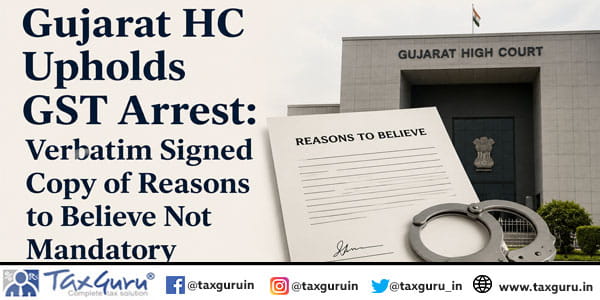
Goods and Services Tax
Gujarat HC Upholds GST Arrest: Verbatim Signed Copy of Reasons to Believe Not Mandatory
Income Tax
Income Tax
DVO Valuation Alone Cannot Justify Section 69 Addition Without Extra Payment Proof: ITAT Amritsar
Income Tax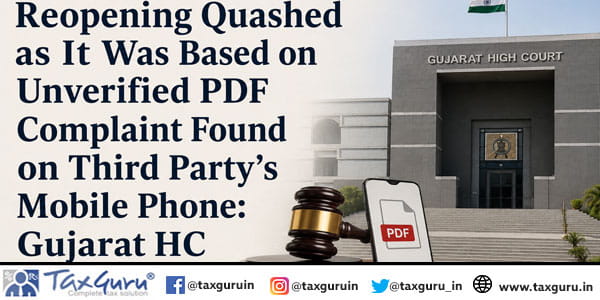
Income Tax
Reopening Quashed as It Was Based on Unverified PDF Complaint Found on Third Party’s Mobile Phone: Gujarat HC
Goods and Services Tax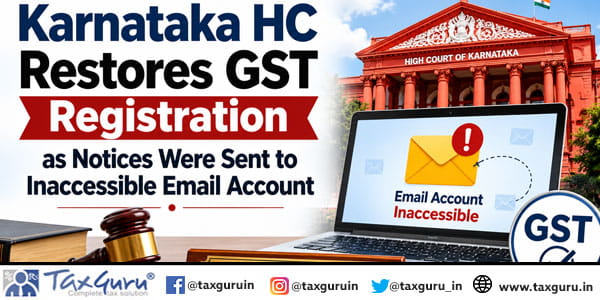
Goods and Services Tax
Karnataka HC Restores GST Registration as Notices Were Sent to Inaccessible Email Account
Goods and Services Tax
Goods and Services Tax
Absence of e-Tax Invoice Alone Not Enough for Transit State to Impose GST Penalty
Goods and Services Tax
Goods and Services Tax

