
#Section 68
Log in to FollowLatest Section 68 updates, provisions, case laws, compliance requirements, tax implications and expert analysis under Income-tax law on TaxGuru.
Income Tax
Income Tax
Section 68 Inapplicable Without Credit Entry in Assessee’s Books: ITAT Ahmedabad
Income Tax
Income Tax
ITAT Mumbai Deletes ₹5.99 Crore Section 68 Loan Addition for Lack of Verification
Income Tax
Income Tax
ITAT Mumbai Deletes Section 68 Addition on Unsecured Loans proved by Documentary Evidence
Income Tax
Income Tax
ITAT Hyderabad Quashes Reassessment for Invalid Section 151 Approval Beyond Three Years
Income Tax
Income Tax
Time-Barred Reassessment Quashed and Cash Deposits Restricted to 2% by ITAT Pune
Income Tax
Income Tax
ITAT Mumbai Remits Section 68 Addition for Verification of Loan Closing Balance
Income Tax
Income Tax
Section 68 Addition Deleted After Investor Capacity and Genuineness Proved: Mumbai ITAT
Income Tax
Income Tax
IBC Resolution Plan Extinguishes Unclaimed Tax Reassessment, ITAT Mumbai Holds
Income Tax
Income Tax
Section 234B Interest Waiver Rejection Upheld by Kerala High Court
Income Tax
Income Tax
ITAT Amritsar Deletes ₹3.97 Crore Addition Based on Husband’s Document
Income Tax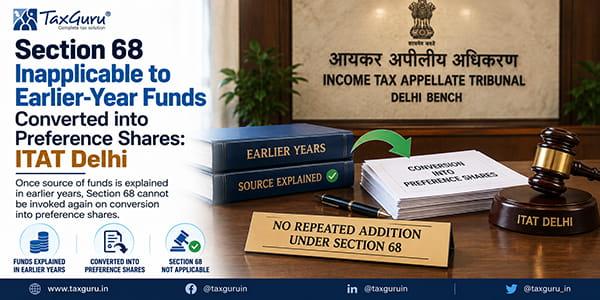
Income Tax
Section 68 Inapplicable to Earlier-Year Funds Converted into Preference Shares: ITAT Delhi
Income Tax
Income Tax
Post-2021 Search Assessments Without Section 148 Proceedings Invalid: ITAT Delhi
Income Tax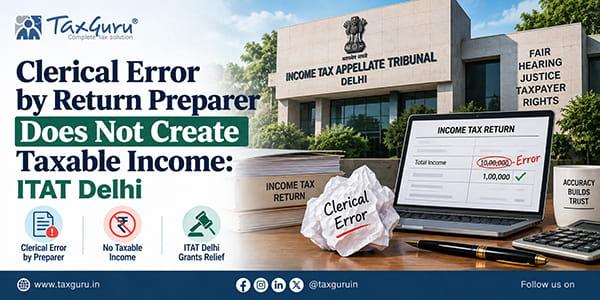
Income Tax
Clerical Error by Return Preparer Does Not Create Taxable Income: ITAT Delhi
Income Tax
Income Tax
ITAT Delhi Remits ₹1.60 Crore Demonetisation Cash Addition for Fresh Examination
Explore the latest Section 68 updates on TaxGuru, including relevant Income-tax Act provisions, rules, notifications, circulars, judicial decisions and compliance guidance. The coverage highlights important tax positions, procedural requirements, assessments, deductions, penalties and litigation developments to help taxpayers and professionals understand the practical implications of changes in income-tax law.

