
#section 143(3)
Log in to FollowLatest section 143(3) updates, provisions, case laws, compliance requirements, tax implications and expert analysis under Income-tax law on TaxGuru.
Income Tax
Income Tax
Pnding SC SLP Alone Cannot Justify Section 263 Revision: ITAT Mumbai
Income Tax
Income Tax
Section 68 Addition Deleted on Property Advance Received & Refunded Through Banking Channels: ITAT Mumbai
Income Tax
Income Tax
Books Cannot Be Rejected Solely for Non-Maintenance of Qualitative Stock Records: Mumbai ITAT
Income Tax
Income Tax
ITAT Delhi Deletes Prior Period Expenditure Disallowance, Quashes Reassessment
Income Tax
Income Tax
No Section 69A Addition Without Incriminating Material in Section 153C Case: Delhi ITAT
Income Tax
Income Tax
Delhi ITAT Quashes Assessment Over Invalid Section 143(2) Notice
Income Tax
Income Tax
ITAT Delhi Allows Foreign Tax Credit on Overseas Legal Fees
Income Tax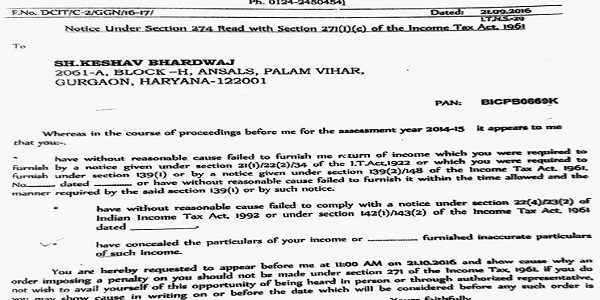
Income Tax
AO Failed to Specify Charge in Section 271(1)(c) Notice Penalty: Delhi ITAT
Income Tax
Income Tax
ITAT Upholds MakeMyTrip’s Website Depreciation, AMP & Reimbursement Claims
Income Tax
Income Tax
Goodwill Amortisation Not an Operating Expense Under TNMM: ITAT Delhi
Income Tax
Income Tax
Chennai ITAT: Agricultural Income Claim Restored for Fresh Opportunity
Income Tax
Income Tax
Bangalore ITAT Allows AOP Trust to Carry Forward and Set Off Losses Despite No Section 12A Registration
Income Tax
Income Tax
Delhi ITAT Deletes Section 68 Addition on Opening Loan Balance, Cancels Penalty
Income Tax
Income Tax
Pune ITAT Remands Capital Gains and Section 54F Dispute for Fresh Verification
Explore the latest section 143(3) updates on TaxGuru, including relevant Income-tax Act provisions, rules, notifications, circulars, judicial decisions and compliance guidance. The coverage highlights important tax positions, procedural requirements, assessments, deductions, penalties and litigation developments to help taxpayers and professionals understand the practical implications of changes in income-tax law.

