
#section 143(3)
Log in to FollowLatest section 143(3) updates, provisions, case laws, compliance requirements, tax implications and expert analysis under Income-tax law on TaxGuru.
Income Tax
Income Tax
Co-op Housing Society Entitled to Section 80P(2)(d) Deduction on Bank Interest: ITAT Mumbai
Income Tax
Income Tax
No Coercive Income Tax Recovery After 7-Year Delay in Appeal Disposal: Andhra Pradesh HC
Income Tax
Income Tax
Delhi ITAT: Section 12AB Registration Cannot Be Cancelled for Engaging Builder for Staff Housing Project
Income Tax
Income Tax
Uncorroborated WhatsApp Chats Alone Cannot Sustain Section 69A Addition: Delhi ITAT
Income Tax
Income Tax
Section 68 Addition Deleted for Loan Funded from Bank Borrowing: ITAT Rajkot
Income Tax
Income Tax
Donations from Identified Donors Cannot Be Taxed as Anonymous Donations: Delhi ITAT
Income Tax
Income Tax
Assessment Ignoring DRP Directions on Transfer Pricing Adjustment Quashed: ITAT Delhi
Income Tax
Income Tax
Delhi ITAT: Demonetisation Addition Deleted Despite No Cash Balance in Earlier Section 44AD ITRs
Income Tax
Income Tax
Kerala HC Sets Aside Section 270A Penalty After Section 80P Deduction Was Allowed
Income Tax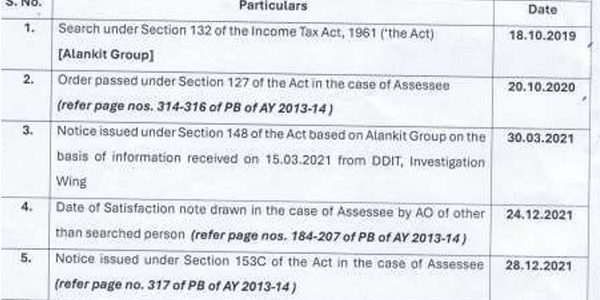
Income Tax
Search Cases With Common Assessing Officer Governed by Section 127 Transfer Date: ITAT Delhi
Income Tax
Income Tax
ITAT Panaji Allows Section 80P(2)(d) Deduction on Interest From Co-Operative Bank Deposits
Income Tax
Income Tax
Delay Cannot Defeat Genuine TDS Refund Claim: Gujarat HC
Income Tax
Income Tax
Bombay HC Quashes Final Assessment for Failure to Issue Draft Order Under Section 144C
Income Tax
Income Tax
ITAT Chennai Excludes Goodwill Amortization from Operating Cost in TP Case
Explore the latest section 143(3) updates on TaxGuru, including relevant Income-tax Act provisions, rules, notifications, circulars, judicial decisions and compliance guidance. The coverage highlights important tax positions, procedural requirements, assessments, deductions, penalties and litigation developments to help taxpayers and professionals understand the practical implications of changes in income-tax law.

