Income Tax : Courts have validated the faceless assessment framework while insisting on strict adherence to fairness. The key takeaway is that ...
Goods and Services Tax : The Court ruled that issuing an SCN before the pre-SCN reply period expires violates natural justice. The key takeaway is that aut...
Goods and Services Tax : The Court held that authorities must provide a personal hearing before issuing adverse GST orders under Section 73. Failure to fol...
CA, CS, CMA : Explains how electronic notices alone are insufficient for taxpayers lacking digital access, with courts holding such service inef...
Goods and Services Tax : Personal hearing is mandatory in GST adjudication under Section 75(4) before any adverse decision. Courts confirm PH is a non-nego...
Goods and Services Tax : The Orissa High Court set aside GST demand and rectification orders after finding that the taxpayer’s reply and request for pers...
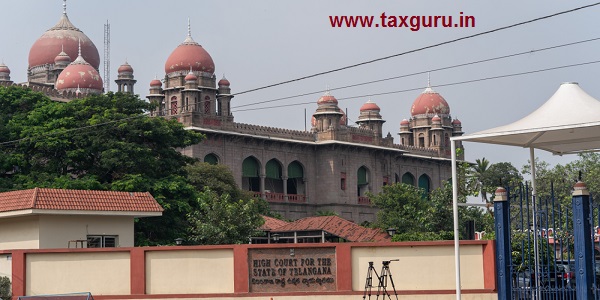
Goods and Services Tax : The Telangana High Court set aside the appellate order rejecting the GST appeal and remanded the matter for fresh adjudication aft...
Goods and Services Tax : The Court observed that show cause notices had clearly provided opportunities for personal hearing and submission of documents. It...
Income Tax : The issue concerned taxation of alleged on-money from sale of land. The Tribunal held that once the land was agricultural and outs...
Goods and Services Tax : The case examined whether a GST authority can reject a rectification application without granting a hearing. The High Court set as...
The Raipur ITAT remanded the Omax Minerals tax case back to CIT(A) after finding that the company was denied a fair opportunity to be heard in a penalty proceeding. The ruling cites procedural irregularities.
The ITAT ruled that a short notice period of less than 15 days constitutes a violation of the principles of natural justice, and an appeal cannot be dismissed on such grounds, even if the taxpayer fails to attend.
An analysis of Section 142 of the Income-tax Act, 1961, detailing the powers of the Assessing Officer, statutory limitations, and remedies available to taxpayers.
An ITAT ruling on Aviraldhaani Foundation shows that a trust can be denied charitable registration for having a vague ‘any other activity’ clause, but natural justice must prevail.
Delhi High Court allows a passenger to file a late appeal against a customs order, citing the department’s failure to provide a personal hearing. The court emphasized the importance of natural justice principles.
ITAT Bangalore remands a trust’s 80G cancellation, citing a violation of natural justice. The trust gets a fresh opportunity to prove the genuineness of its activities.
ITAT Bangalore remands a case where an email address was ignored, violating natural justice. The assessee gets a fresh chance to prove his land was agricultural.
Madras High Court mandates tax officers to consider late-filed GST replies, emphasizing natural justice. Order set aside; fresh hearing directed.
The ITAT Ahmedabad set aside an ex-parte order against Shahnawaz Mustakkhan Pathan, ruling that the CIT(A) violated natural justice by sending hearing notices via email despite the assessee’s explicit request not to use that method. The case is now sent back for a fresh hearing.
A High Court ruling affirms that denying cross-examination, even with voluntary witness statements, violates natural justice and invalidates the adjudication.