
Courts: ITAT Mumbai
Find latest ITAT Mumbai judgments, orders and case laws on income tax covering assessments, transfer pricing, international taxation, capital gains, TDS, reassessment and penalties.

ITAT Quashes Section 263 Revision, Restores ₹1.24 Crore Section 80JJAA Deduction
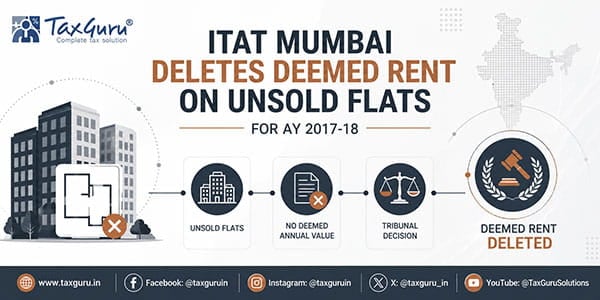
ITAT Mumbai Deletes Deemed Rent on Unsold Flats for AY 2017-18

ITAT Mumbai Deletes Conditional Section 12AB & 80G Registration Conditions Imposed by CIT(E)
Mumbai ITAT: Section 115BBE Not Applicable to Estimated Cash Deposit Addition
ITAT Revives Trust’s 80G Application Over Unissued Registration Certificate
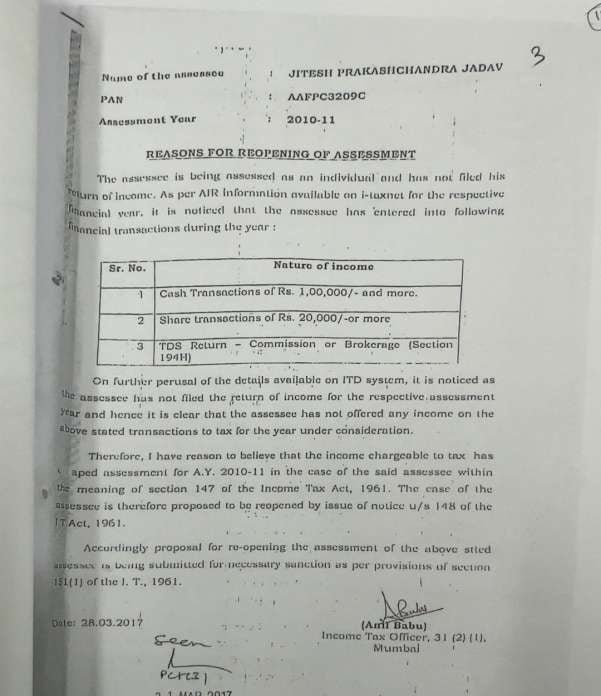
Mumbai ITAT Quashes Reassessment as Escaped Income Was Not Quantified
Interest from Co-operative Bank FDs Qualifies for Section 80P(2)(d) Deduction: Mumbai ITAT
ITAT Mumbai Allows Section 54F Exemption on House Purchased from Husband
Mumbai ITAT Quashes AY 2014-15 Reassessment Beyond Seven-Day Surviving Limitation
Mumbai ITAT Deletes ₹31.57 Lakh Addition on Imaginary Rent from Unsold Flats
Mumbai ITAT: Co-op Housing Society Gets Section 80P(2)(d) Deduction on Bank Interest
Mumbai ITAT Allows 22% Section 115BAA Rate as Form 10-IC Continued
Wrong Section 151 Approval: Mumbai ITAT Quashes ₹25.02 Lakh Section 69C Addition
Mumbai ITAT Quashes AY 2019-20 Reassessment Over Invalid PCIT Approval
ITAT Mumbai judgments and orders represent an extensive body of income-tax appellate jurisprudence covering individuals, businesses, companies and other taxpayers. This TaxGuru page brings together decisions relating to assessments, additions, deductions, exemptions, business income, capital gains, transfer pricing, international taxation, TDS, reassessment, unexplained income, penalties and procedural disputes. Chartered Accountants, advocates, companies, taxpayers and tax professionals can use this collection to research ITAT Mumbai precedents and follow important developments under the Income-tax Act. The page includes recent as well as significant earlier Tribunal decisions published on TaxGuru, providing a comprehensive reference point for direct tax case-law research and appellate practice.

