
Courts: ITAT Mumbai
Find latest ITAT Mumbai judgments, orders and case laws on income tax covering assessments, transfer pricing, international taxation, capital gains, TDS, reassessment and penalties.

37% Surcharge Deleted on AOP Income Below ₹50 Lakh: Mumbai ITAT

Property Registration Alone Cannot Trigger Section 56(2)(x): ITAT Mumbai
Penny Stock LTCG Cannot Be Bogus Without Evidence Against Assessee: ITAT Mumbai
Loose Sheets Showing Cash Payments Cannot Trigger Extended Section 153A: ITAT Mumbai
734-Day Delay Due to Father’s Illness and Consultant Default Condoned: ITAT Mumbai
Capital Gains Reclassified as Dividend Does Not Trigger Penalty: ITAT Mumbai
Bayer Gets Bad Debt Deduction on Brazil, Philippines Sales: ITAT Mumbai
No Irrevocability Clause Alone Cannot Defeat Section 80G Approval: ITAT Mumbai
ITAT Mumbai Deletes ₹1.45 Crore Addition Based Only on Survey Statement
Section 50C Not Applicable to Tenancy Agreement Without Sale Consideration: ITAT Mumbai
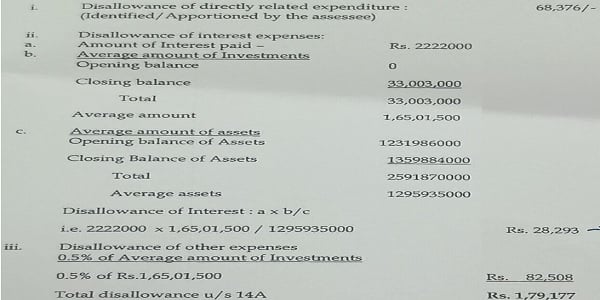
Section 14A Addition Beyond Exempt Income Unsustainable: Mumbai ITAT
Section 35(2AB) R&D Deduction Dispute Remanded to AO for DSIR Certification Reasons: Mumbai ITAT
Section 43CA Revision Quashed as AO Had Examined Booking & Bank Payments: Mumbai ITAT
Stamp Duty Value Difference Within 5%: ITAT Mumbai Deletes Section 43CA Addition
ITAT Mumbai judgments and orders represent an extensive body of income-tax appellate jurisprudence covering individuals, businesses, companies and other taxpayers. This TaxGuru page brings together decisions relating to assessments, additions, deductions, exemptions, business income, capital gains, transfer pricing, international taxation, TDS, reassessment, unexplained income, penalties and procedural disputes. Chartered Accountants, advocates, companies, taxpayers and tax professionals can use this collection to research ITAT Mumbai precedents and follow important developments under the Income-tax Act. The page includes recent as well as significant earlier Tribunal decisions published on TaxGuru, providing a comprehensive reference point for direct tax case-law research and appellate practice.

