
Courts: ITAT Mumbai
Find latest ITAT Mumbai judgments, orders and case laws on income tax covering assessments, transfer pricing, international taxation, capital gains, TDS, reassessment and penalties.

Mumbai ITAT Quashes Section 69A Addition Over Invalid Reassessment Approval
Mumbai ITAT Restores Section 11 Claim Where Revised Form 10B Was Timely Filed

ITAT Deletes ₹90 Lakh Cash Addition Supported by Books and Withdrawals
Mumbai ITAT: Fresh Investigation Info Cannot Justify Reassessment After 4 Years
ITAT Mumbai Holds Land Sale as Capital Gain; Allows Project Completion Method
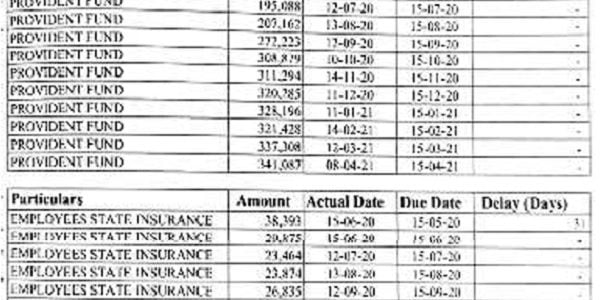
ITAT Mumbai Remands COVID-19 PF/ESI Delay Disallowance for Verification
ITAT Mumbai Allows Deduction for Interest Paid on Delayed TDS Payment
Non-Refundable GST Credit Can Be Claimed as Business Loss: Mumbai ITAT
Late Form 10B Filing Cannot Deny Section 11 & 12 Exemption: ITAT Mumbai
Mumbai ITAT Deletes ₹68.41 Lakh Penny Stock Addition as Documentary Evidence Proved LTCG
Mumbai ITAT Deletes ₹25 Lakh Addition After Identity, Creditworthiness and Genuineness Proved
INSIGHT Portal Data Alone Cannot Trigger Reopening Without Section 148A: Mumbai ITAT
Charter Hire Disallowance Deleted as Related-Party Charges Below Comparable Rates: ITAT Mumbai
Section 80P Deduction Valid on Return Filed Under Section 148: ITAT Mumbai
ITAT Mumbai judgments and orders represent an extensive body of income-tax appellate jurisprudence covering individuals, businesses, companies and other taxpayers. This TaxGuru page brings together decisions relating to assessments, additions, deductions, exemptions, business income, capital gains, transfer pricing, international taxation, TDS, reassessment, unexplained income, penalties and procedural disputes. Chartered Accountants, advocates, companies, taxpayers and tax professionals can use this collection to research ITAT Mumbai precedents and follow important developments under the Income-tax Act. The page includes recent as well as significant earlier Tribunal decisions published on TaxGuru, providing a comprehensive reference point for direct tax case-law research and appellate practice.

