
Courts: ITAT Mumbai
Find latest ITAT Mumbai judgments, orders and case laws on income tax covering assessments, transfer pricing, international taxation, capital gains, TDS, reassessment and penalties.

State Bank of India: ITAT Quashes Assessment on Non-Existent State Bank of Indore

ITAT Mumbai Deletes ₹37.61 Lakh Section 270A Penalty on Charitable Trust with Nil Income
Tata Chemicals Wins ₹12.99 Cr TP Relief on Captive Power; ITAT Allows Additional Ground on Steam Valuation
ITAT Mumbai Deletes 153A Additions Without Incriminating Material
TDS Paid Cannot Be Recovered Twice; Delayed Payment Still Attracts Interest: ITAT Mumbai
ITAT Grants Major Relief to Reliance Jio: Technology Alone Is Not “Royalty”
ITAT Upholds NPCI’s Section 11 Exemption Despite Transaction-Based Payment Service Fees
A Second Innings-but Not for Free: ITAT Orders Fresh Assessment with ₹50,000 Costs
ITAT Quashes Section 263 Revision, Restores ₹1.24 Crore Section 80JJAA Deduction
ITAT Mumbai Deletes Deemed Rent on Unsold Flats for AY 2017-18
ITAT Mumbai Deletes Conditional Section 12AB & 80G Registration Conditions Imposed by CIT(E)
Mumbai ITAT: Section 115BBE Not Applicable to Estimated Cash Deposit Addition
ITAT Revives Trust’s 80G Application Over Unissued Registration Certificate
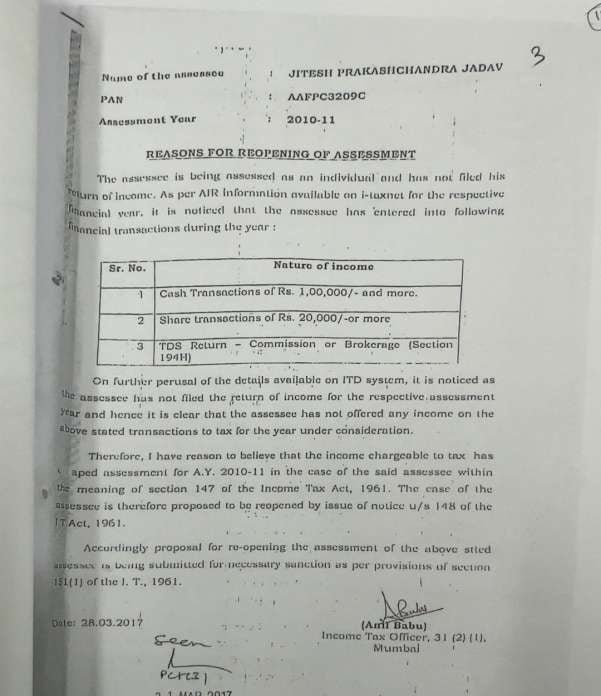
Mumbai ITAT Quashes Reassessment as Escaped Income Was Not Quantified
ITAT Mumbai judgments and orders represent an extensive body of income-tax appellate jurisprudence covering individuals, businesses, companies and other taxpayers. This TaxGuru page brings together decisions relating to assessments, additions, deductions, exemptions, business income, capital gains, transfer pricing, international taxation, TDS, reassessment, unexplained income, penalties and procedural disputes. Chartered Accountants, advocates, companies, taxpayers and tax professionals can use this collection to research ITAT Mumbai precedents and follow important developments under the Income-tax Act. The page includes recent as well as significant earlier Tribunal decisions published on TaxGuru, providing a comprehensive reference point for direct tax case-law research and appellate practice.

