
Courts: All ITAT
Read latest ITAT judgments and orders on Income Tax, including assessments, deductions, TDS, capital gains, transfer pricing, penalties and other tax disputes.

Ahmedabad ITAT: ₹13.68 Crore Demonetisation Deposits Not Taxable u/s 69A on Suspicion Alone

Jodhpur ITAT: U/s 12AB/80G Applications Not Rejected for Curable Lapse

Jodhpur ITAT: U/s 12AB/80G Registration Cannot Be Mechanically Rejected for Curable Defects

Pune ITAT Deletes ₹2.61 Crore Addition: Genuine Jewellery Sales Not Taxable U/s 68

Mumbai ITAT Deletes Section 270A Penalty on Section 11(6) Depreciation Disallowance
Pune ITAT: Non-Taxable Receipt Mistakenly Offered in ITR Cannot Be Taxed; Goetze Does Not Bar Relief

Pune ITAT: Income Already Taxed Cannot Be Added Again as Unexplained Money
Pune ITAT: Cash Deposits Taxation Reduced by ₹5 Lakh; Peak-Credit Theory Rejected
Pune ITAT: Lift Cost of Real-Estate Project Not Disallowed as Prior-Period Expense

AO Cannot Determine ALP Without TPO Reference, ITAT Delhi Restores Assessment

Bangalore ITAT Remands Software Segment TP Issue for Fresh Verification
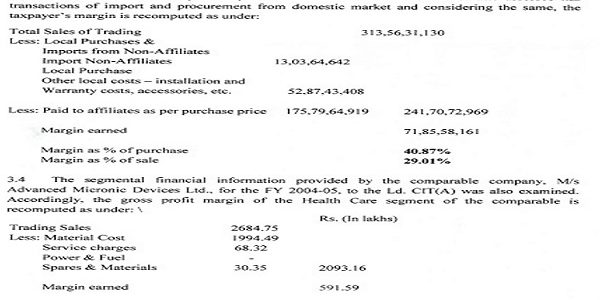
Bangalore ITAT Remands Software Segment Comparables Dispute for Fresh Adjudication

ITAT Raipur Quashes Assessment for Invalid Section 143(2) Notice & Missing Section 127 Transfer Order

Reassessment Quashed Without Section 127 Transfer Order or Section 148 Notice: Raipur ITAT
All ITAT brings together Income Tax Appellate Tribunal judgments and orders from ITAT benches across India. The archive covers income-tax disputes involving assessments and reassessments, business income, deductions, exemptions, capital gains, TDS, transfer pricing, international taxation, penalties, unexplained income, search assessments and other provisions of the Income-tax Act. Chartered Accountants, advocates, tax professionals, businesses and taxpayers can use this consolidated TaxGuru category to research ITAT precedents across different benches and follow developments in income-tax jurisprudence. Individual ITAT bench categories are also available for location-specific decisions.

