
Courts: All ITAT
Read latest ITAT judgments and orders on Income Tax, including assessments, deductions, TDS, capital gains, transfer pricing, penalties and other tax disputes.
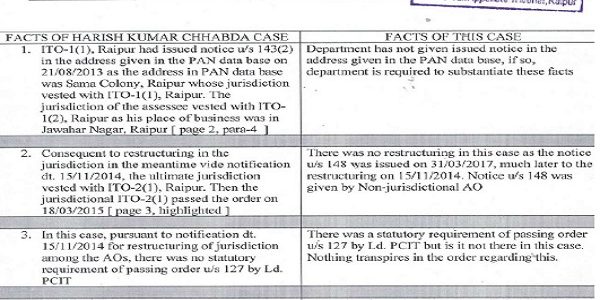
Reassessment Quashed for Lack of Section 127 Transfer Order: Raipur ITAT
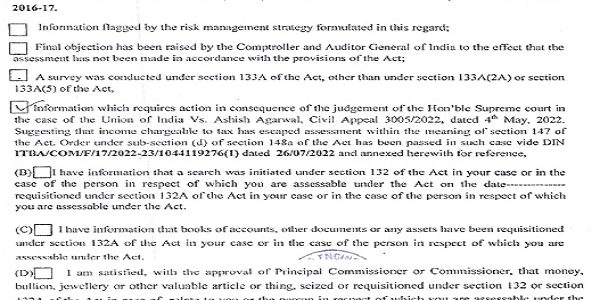
Section 151 Approval by Wrong Authority Invalidates Reassessment: Raipur ITAT

Kolkata ITAT Upholds Bogus LTCG Findings Based on Penny Stock Transactions

Pune ITAT Quashes Section 153C Assessments Over Inadequate Satisfaction Note

Low Tax Effect Bars Revenue Appeal Despite State Sales Tax Information: Pune ITAT

Assessment on Deceased Assessee Void & Unenforceable: ITAT Hyderabad
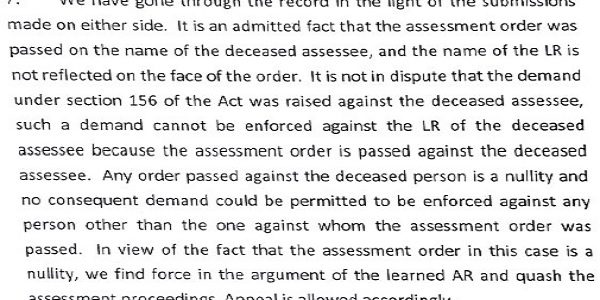
ITAT Hyderabad Quashes Reassessment Made in the Name of Deceased Assessee
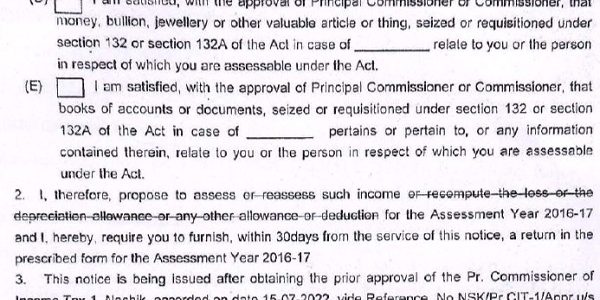
Pune ITAT: AY 2016-17 Reassessment Quashed; PCIT Sanction Invalid Beyond 3 Years
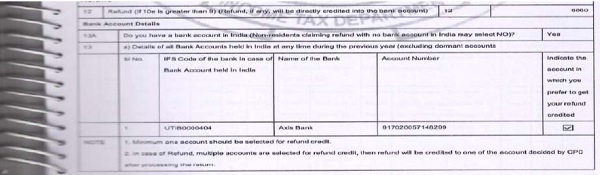
Pune ITAT: 25% Addition Limited to ₹16.54 Crore Unproved Purchases, Not to Entire Purchases
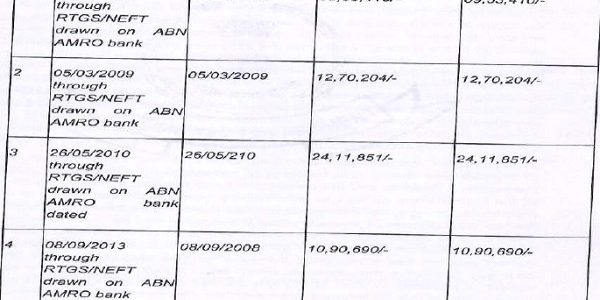
Pune ITAT: Reopening Beyond 3 Years Quashed; ₹12.56 Lakh Escapement Below ₹50 Lakh Threshold

Mumbai ITAT: 19 Search Appeals Restored for 153A, 153D Approval & Limitation Review

Mumbai ITAT: LP Steam Not Nil-Cost By-Product; ₹32.20 Crore Section 80-IA Deduction Allowed

Bangalore ITAT: TDR Sale Taxable as Capital Gains After Deducting Surrendered Land Value

ITAT Allows Section 10(10B) Exemption on BSNL VRS 2019 Compensation
All ITAT brings together Income Tax Appellate Tribunal judgments and orders from ITAT benches across India. The archive covers income-tax disputes involving assessments and reassessments, business income, deductions, exemptions, capital gains, TDS, transfer pricing, international taxation, penalties, unexplained income, search assessments and other provisions of the Income-tax Act. Chartered Accountants, advocates, tax professionals, businesses and taxpayers can use this consolidated TaxGuru category to research ITAT precedents across different benches and follow developments in income-tax jurisprudence. Individual ITAT bench categories are also available for location-specific decisions.

