
Courts: All ITAT
Read latest ITAT judgments and orders on Income Tax, including assessments, deductions, TDS, capital gains, transfer pricing, penalties and other tax disputes.

Jaipur ITAT: Explained Bank Credits Not Taxable U/s 69A for AO Non-Compliance

Kolkata ITAT: ₹20.13 Cr Bank Credits Not Turnover; Fresh Chance to Prove Pass-Through Transactions

ITAT Pune Quashes Assessment Framed on Deceased Assessee Despite Legal Heir’s Participation

ITAT Mumbai: Section 12AB Registration Cannot Be Subject to Conditional Rider

ITAT Delhi Deletes Section 69B Jewellery Addition for Items in Siblings’ Locker

ITAT Bangalore: Property Cost Cannot Be Assumed Nil Merely for Lack of Old Records

ITAT Mumbai: Section 68 Addition Deleted as Loan & Share Capital Transactions Were Genuine

ITAT Ahmedabad Rejects 2376-Day Delay Condonation Citing Gross Assessee Negligence

ITAT Delhi Quashes Section 153C Assessments for Invalid Satisfaction & Limitation

ITAT Delhi: Leftover Material Sales Supported by GST Records Cannot Attract Section 69A

Ahmedabad ITAT: Section 54F Covers Post-Purchase Reconstruction; Cost Includes Renovation

ITAT Deletes ₹4.34 Lakh Addition Where Foreign Currency Belonged to Sister-in-Law

Jaipur ITAT: Section 153(3) Not Applicable to U/s 12AB/80G; CIT(E) Must Allow Records
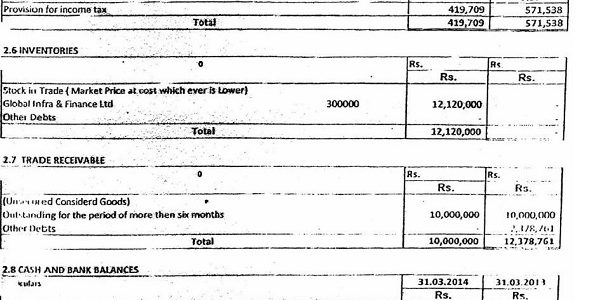
Kolkata ITAT Upholds ₹2.79 Crore Section 68 Addition on Penny Stocks; Credit Need Not Be Cash
All ITAT brings together Income Tax Appellate Tribunal judgments and orders from ITAT benches across India. The archive covers income-tax disputes involving assessments and reassessments, business income, deductions, exemptions, capital gains, TDS, transfer pricing, international taxation, penalties, unexplained income, search assessments and other provisions of the Income-tax Act. Chartered Accountants, advocates, tax professionals, businesses and taxpayers can use this consolidated TaxGuru category to research ITAT precedents across different benches and follow developments in income-tax jurisprudence. Individual ITAT bench categories are also available for location-specific decisions.

