
Courts: All ITAT
Read latest ITAT judgments and orders on Income Tax, including assessments, deductions, TDS, capital gains, transfer pricing, penalties and other tax disputes.
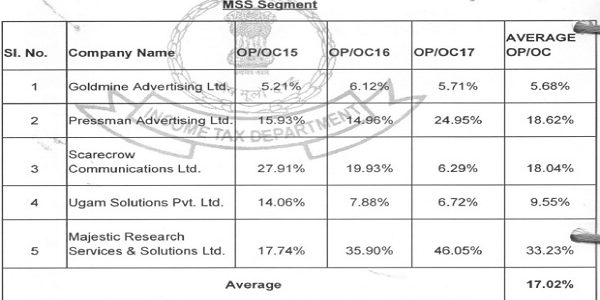
Bangalore ITAT Excludes Functionally Dissimilar Comparables in Transfer Pricing Case

ITAT Bangalore Applies Rs.200 Crore Turnover Filter to Software Comparables

ITAT Pune Excludes Three Comparables, Treats Forex Gain as Operating Revenue in Transperfect Solutions Case

ITAT Pune Excludes Four Comparables in Transfer Pricing Case; e4e Healthcare Issue Remanded
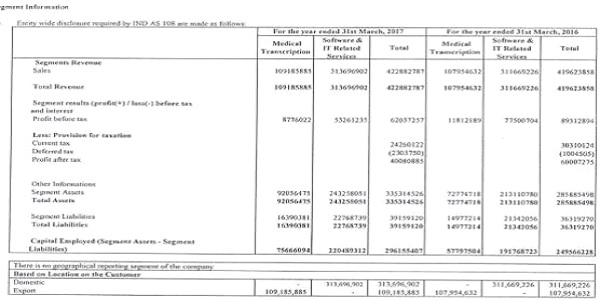
ITAT Pune Excludes Bhilwara Infotechnology, Aspire Systems & MPS as Comparables for AY 2016-17
ITAT Bangalore Quashes Section 263 Revision Over Partner Remuneration Deduction
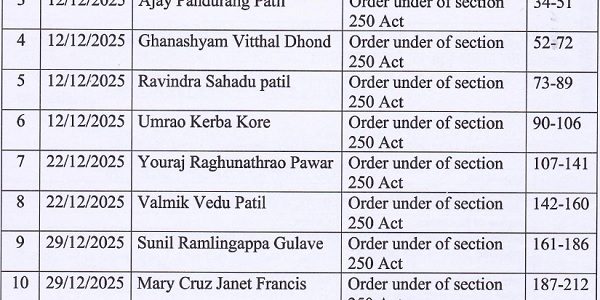
ITAT Pune Allows Section 10(10B) Exemption on BSNL VRS Compensation
ITAT Bangalore Allows Full BSNL VRS Exemption Under Sections 10(10B) and 10(10AA)

ITAT Hyderabad Allows BSNL VRS Exemption Under Section 10(10B)
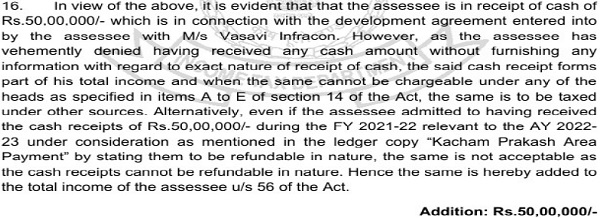
ITAT Hyderabad Deletes JDA Additions Under Section 56 for Lack of Corroboration

Mumbai ITAT Sets Aside Penalty Order, Directs Reconsideration of Section 270AA Immunity

Mumbai ITAT Allows Section 80JJA Deduction Despite Delayed Form 10DA Verification
ITAT Indore Remands 12A/12AB, 80G Rejections for Fresh Consideration in 50 cases

Kolkata ITAT: Sundry Creditors Not Bogus Without Specific Notice; Reassessment Ordered
All ITAT brings together Income Tax Appellate Tribunal judgments and orders from ITAT benches across India. The archive covers income-tax disputes involving assessments and reassessments, business income, deductions, exemptions, capital gains, TDS, transfer pricing, international taxation, penalties, unexplained income, search assessments and other provisions of the Income-tax Act. Chartered Accountants, advocates, tax professionals, businesses and taxpayers can use this consolidated TaxGuru category to research ITAT precedents across different benches and follow developments in income-tax jurisprudence. Individual ITAT bench categories are also available for location-specific decisions.

