
Type: Trending
3,627 articlesIncome Tax
Income Tax
General Investigation Report Cannot Override Transaction-Specific Evidence: Delhi ITAT
Income Tax
Income Tax
Pune ITAT Restores Reassessment as Recorded Reasons Were Not Furnished to Assessee
Goods and Services Tax
Goods and Services Tax
PIL Cannot Be Used to Seek Tax Investigation Against Private Parties: Chhattisgarh HC
Corporate Law
Corporate Law
NCLT Rejects Clubbing Group Company Dues to Meet ₹1 Crore IBC Threshold
Service Tax
Service Tax
Service Tax Applicable on Referral Income, SC Deletes Penalty on Pre-Notice Tax Payment
Corporate Law
Corporate Law
Election Cash Cannot Vanish: SC Mandates Reasons, Tracking & Time-Bound Probe
Goods and Services Tax
Goods and Services Tax
Allahabad HC Upholds CGST Arrest in ₹460.59 Crore Online Gaming GST Case
Income Tax
Income Tax
Mumbai ITAT Rejects Re. 1 Exercise Price, Allows FMV as ESOP Cost of Acquisition
Corporate Law
Corporate Law
Company’s Failure to Frame ESOP Cannot Defeat Vested Employee Equity Shares: Bombay HC
Finance
Finance
A Breach of Contract Is Not a Crime & Criminal Law Is No Debt-Recovery Agent: SC
Income Tax
Income Tax
Commercial Dependence Alone Does Not Create Associated Enterprise: Mumbai ITAT
Service Tax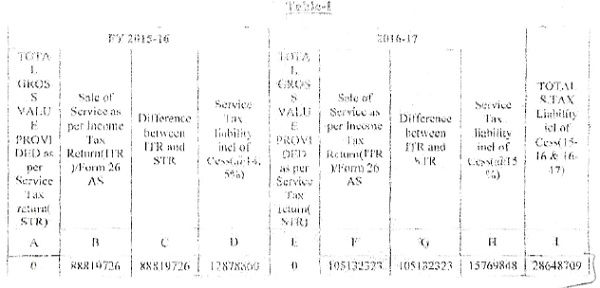
Service Tax
CESTAT Kolkata Sets Aside Service Tax Demand Based Solely on CBDT Data
Income Tax
Income Tax
Delhi ITAT Deletes Reassessment Additions as Recorded Reason Was Not Assessed
Service Tax
Service Tax

