
Type: Trending
3,624 articlesGoods and Services Tax
Goods and Services Tax
Transitional ITC Cannot Be Denied Due to Bona Fide TRAN Filing Error: Kerala HC
Goods and Services Tax
Goods and Services Tax
P&H HC Grants Bail as Alleged GST Evasion Lacks Specific Fraud Mention in Arrest Memo
Goods and Services Tax
Goods and Services Tax
GST Registration Cancellation Does Not Erase Past Tax Liability: Telangana HC
Income Tax
Income Tax
Section 263 Revision Invalid as AO Conducted Proper Inquiry: Calcutta HC Upholds LTCG on Unlisted Shares
Goods and Services Tax
Goods and Services Tax
Gujarat HC Grants Regular Bail After Charge-Sheet Filed in ₹21.93 Cr GST ITC Case
Goods and Services Tax
Goods and Services Tax
Jharkhand HC Grants Bail After ₹1.25 Crore Suo Motu Deposit in ₹35 Crore GST Case
Income Tax
Income Tax
Scholarship Paid in India Not Violation of Section 11(1)(c), ITAT Sets Aside 12AB Rejection
Income Tax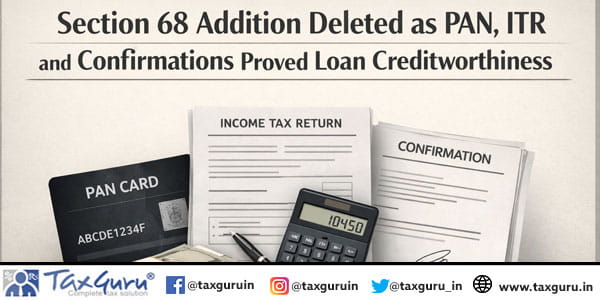
Income Tax
Section 68 Addition Deleted as PAN, ITR and Confirmations Proved Loan Creditworthiness
Income Tax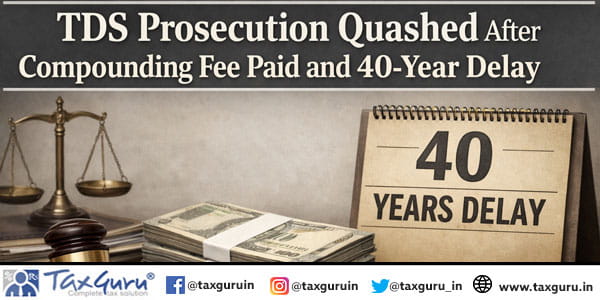
Income Tax
TDS Prosecution Quashed After Compounding Fee Paid and 40-Year Delay
Income Tax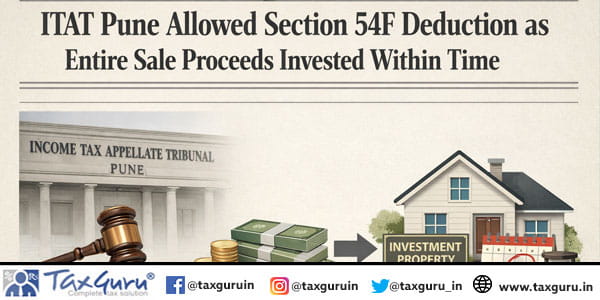
Income Tax
ITAT Pune Allowed Section 54F Deduction as Entire Sale Proceeds Invested Within Time
Income Tax
Income Tax
Penny Stock LTCG Addition Deleted – Investigation Report Alone Not Sufficient Without Direct Evidence: ITAT Mumbai
Income Tax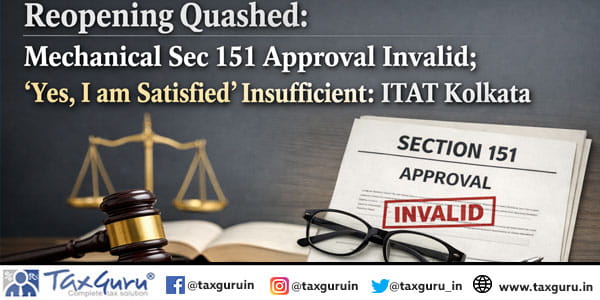
Income Tax
Reopening Quashed: Mechanical Sec 151 Approval Invalid; “Yes, I am Satisfied” Insufficient: ITAT Kolkata
Income Tax
Income Tax
No Sec 153A Addition Without Incriminating Material; Penny Stock LTCG Deleted: ITAT Mumbai
Income Tax
Income Tax

