
Type: Trending
3,627 articlesCorporate Law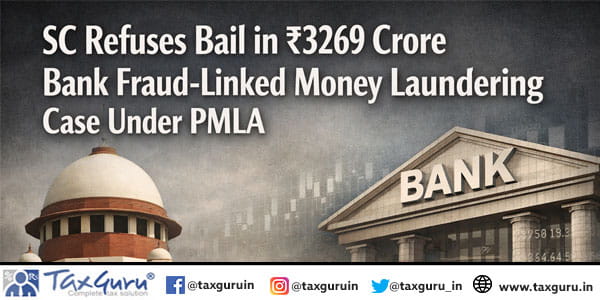
Corporate Law
SC Refuses Bail in ₹3269 Crore Bank Fraud-Linked Money Laundering Case Under PMLA
Income Tax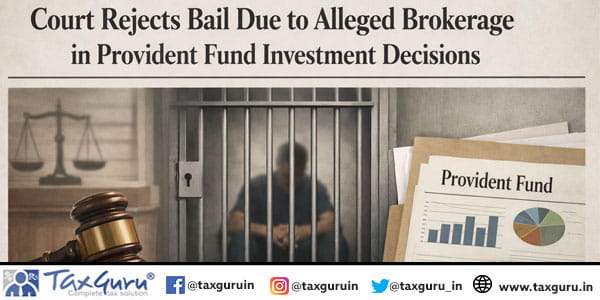
Income Tax
Court Rejects Bail Due to Alleged Brokerage in Provident Fund Investment Decisions
Corporate Law
Corporate Law
NCLT Rejects Shikhar Dhawan’s Insolvency Plea in LLC Payment Dispute Citing Contractual Ambiguity
Company Law
Company Law
Company Property Lease Cancelled as Transaction Was Sham and Not at Arm’s Length
Goods and Services Tax
Goods and Services Tax
Madras HC Allows Belated GST Appeal as Assessment Order Was Served Only Through Portal
Income Tax
Income Tax
Parallel Assessment Proceedings Illegal, ITAT Quashes Reassessment Order in Case of Lalit Modi
Goods and Services Tax
Goods and Services Tax
Gujarat HC Grants Bail in GST Fraud Case Because Accused Not Major Player in Alleged Conspiracy
Income Tax
Income Tax
Suppressed Sales Addition Deleted: KOT Data and Survey Admissions Without Corroboration Not Valid
Corporate Law
Corporate Law
Subsequent Property Buyer Cannot Defeat Prior Mortgage Rights of Bank: DRT Delhi
Income Tax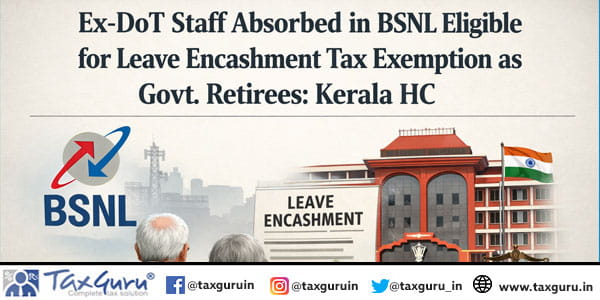
Income Tax
Ex-DoT Staff Absorbed in BSNL Eligible for Leave Encashment Tax Exemption as Govt. Retirees: Kerala HC
Goods and Services Tax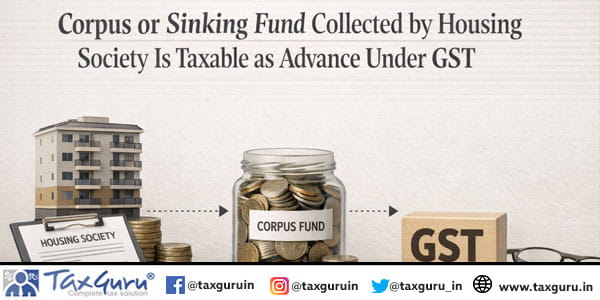
Goods and Services Tax
Corpus or Sinking Fund Collected by Housing Society Is Taxable as Advance Under GST
Goods and Services Tax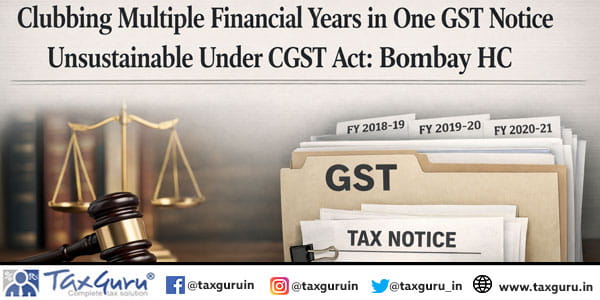
Goods and Services Tax
Clubbing Multiple Financial Years in One GST Notice Unsustainable Under CGST Act: Bombay HC
Goods and Services Tax
Goods and Services Tax
Negative Blocking of GST Electronic Credit Ledger Invalid Because Rule 86A Applies Only to Available ITC
Income Tax
Income Tax

