
Type: Trending
3,627 articlesCorporate Law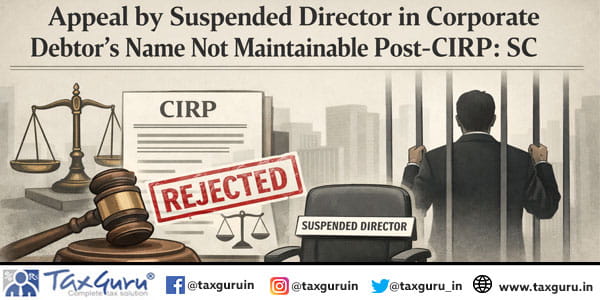
Corporate Law
Appeal by Suspended Director in Corporate Debtor’s Name Not Maintainable Post-CIRP: SC
Income Tax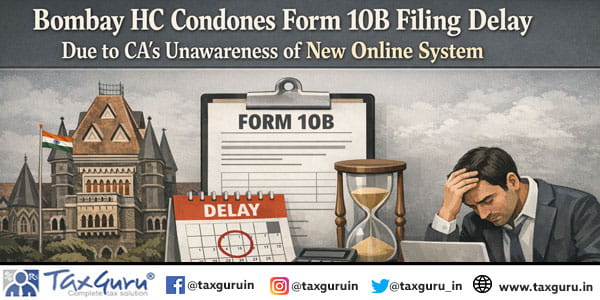
Income Tax
Bombay HC Condones Form 10B Filing Delay Due to CA’s Unawareness of New Online System
Income Tax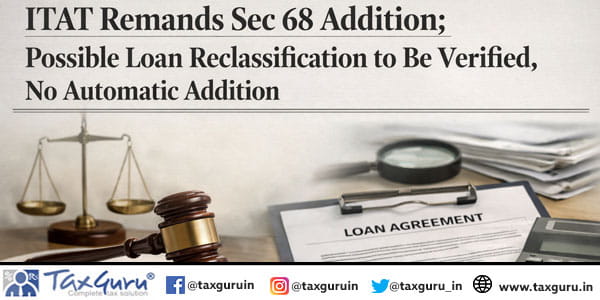
Income Tax
ITAT Remands Sec 68 Addition; Possible Loan Reclassification to Be Verified, No Automatic Addition
Goods and Services Tax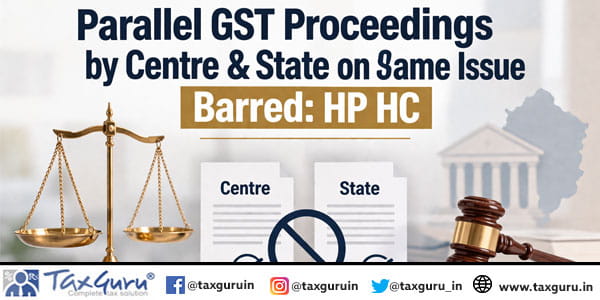
Goods and Services Tax
Parallel GST Proceedings by Centre & State on Same Issue Barred: HP HC
Goods and Services Tax
Goods and Services Tax
HC Grants Interim Protection in GST FIR for Lack of Sanction & Prior Tax Ruling
Income Tax
Income Tax
ITAT Rajkot: Addition Based on ‘Dump Excel Sheet’ Deleted – No Evidence, No Tax
Income Tax
Income Tax
LTCG Addition Deleted as No Evidence Linking Assessee to Penny Stock Manipulation: ITAT Delhi
Income Tax
Income Tax
Unexplained Credits Taxed u/s 68: No Business Income or 80-IB Deduction Without Proof
Income Tax
Income Tax
ITAT Mumbai: No Penalty U/s 271(1)(c) on Estimated Bogus Purchase Additions
Income Tax
Income Tax
ITAT Mumbai: Sec 54 Claim Cannot Be Denied Merely for No Original Return-Allowed in Reassessment
Corporate Law
Corporate Law
SC: Partnership Cannot Be Used to Mask Illegal Sub-Lease; Courts Will Lift the Veil
Income Tax
Income Tax
ITAT Mumbai: On-Money Addition Based on Third-Party Evidence Excel Sheets Deleted
Income Tax
Income Tax
Third-Party Excel Sheets & Statements Without Corroboration Have No Evidentiary Value
Income Tax
Income Tax

