
Type: Trending
3,627 articlesCorporate Law
Corporate Law
RFP Restriction in Banking Software Tender to Authorized Vendors is Justified: CCI
Income Tax
Income Tax
Gratuity Deduction Can’t Be Denied for ITR–Audit Report Mismatch Without Verification
Income Tax
Income Tax
ITAT Deletes Additions as Bogus Purchases Cannot Be Based on Suspicion Without Evidence
Goods and Services Tax
Goods and Services Tax
Bombay HC Sets Aside GST Cancellation for Lack of Reasons; Bank Attachment Ends After One Year
Fema / RBI
Fema / RBI
Shell Companies as Front: Tribunal Upholds Benami Attachment of 143 Properties in ₹75 Cr Layering Case
Fema / RBI
Fema / RBI
Benami Web Exposed: Tribunal Upholds Attachments in Rs 80+ Cr Layered Accommodation Entry Case
Income Tax
Income Tax
Bogus Purchase Addition Limited to Profit Element Due to Accepted Sales: ITAT Mumbai
Income Tax
Income Tax
On-Money Addition Based on Excel Sheet Deleted: No Corroborative Evidence
Income Tax
Income Tax
Section 68 Additions Fail: Documentary Evidence Cannot Be Ignored Without Enquiry
Income Tax
Income Tax
Section 69 Addition Deleted – Cash Availability Human Probabilities Accepted: ITAT Bangalore
Income Tax
Income Tax
Section 54 Deduction Allowed Despite Incomplete Documents: ITAT Bangalore
Goods and Services Tax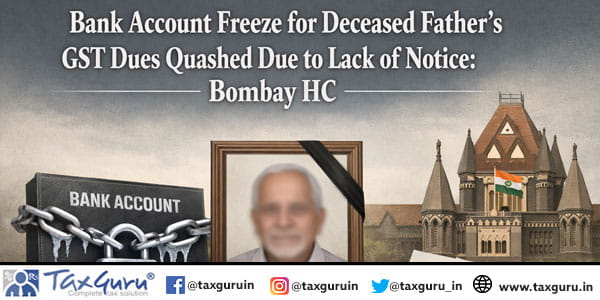
Goods and Services Tax
Bank Account Freeze for Deceased Father’s GST Dues Quashed Due to Lack of Notice: Bombay HC
Income Tax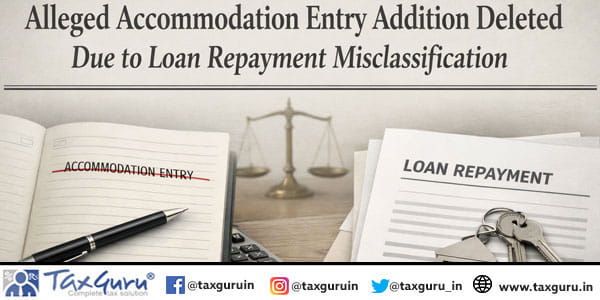
Income Tax
Alleged Accommodation Entry Addition deleted Due to Loan Repayment Misclassification
Excise Duty
Excise Duty

