
#Section 68
Log in to FollowLatest Section 68 updates, provisions, case laws, compliance requirements, tax implications and expert analysis under Income-tax law on TaxGuru.
Income Tax
Income Tax
Section 68 Addition Deleted as Revenue Failed to Link Assessee to Penny Stock Scam
Income Tax
Income Tax
LTCG Exemption allowed as Revenue Failed to Link Assessee to Penny Stock Manipulation
Income Tax
Income Tax
Section 68 Addition Upheld as Penny Stock Gains Failed Test of Human Probabilities: ITAT Mumbai
Income Tax
Income Tax
ITAT Delhi Upholds Addition as Penny Stock LTCG Lacked Genuineness
Income Tax
Income Tax
Loan Confirmations Alone cannot Prove Creditworthiness of Creditors: ITAT Mumbai
Income Tax
Income Tax
Gujarat HC Dismisses Section 68 Addition as Loan Identity, Source & Repayment Established
Income Tax
Income Tax
Long-Term Share Holding Not Penny Stock Because Investment Was Held for 10 Years
Corporate Law
Corporate Law
60% Tax Under Section 115BBE Cannot Apply Retrospectively: Rajasthan HC
Income Tax
Income Tax
ITAT Quashes Reassessment as Reopening Was Based Solely on Borrowed Satisfaction
Income Tax
Income Tax
Cash Payments for Paddy Purchase Allowed as Transactions Fell Under Rule 6DD Exceptions
Income Tax
Income Tax
ITAT Deletes Section 68 Addition as No Share Capital Was Received During the Year
Income Tax
Income Tax
ITAT Grants 50% Telescoping Relief as Earlier On-Money Income Was Accepted
Income Tax
Income Tax
LTCG Addition deleted as Revenue Failed to Link Assessee With Penny Stock Manipulation
Income Tax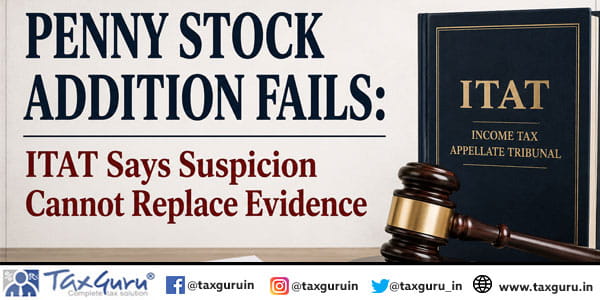
Income Tax
Penny Stock Addition Fails: ITAT Says Suspicion Cannot Replace Evidence
Explore the latest Section 68 updates on TaxGuru, including relevant Income-tax Act provisions, rules, notifications, circulars, judicial decisions and compliance guidance. The coverage highlights important tax positions, procedural requirements, assessments, deductions, penalties and litigation developments to help taxpayers and professionals understand the practical implications of changes in income-tax law.

