
#section 143(3)
Log in to FollowLatest section 143(3) updates, provisions, case laws, compliance requirements, tax implications and expert analysis under Income-tax law on TaxGuru.
Income Tax
Income Tax
Bombay High Court Upholds Section 10B Benefit and Section 14A Relief for EOU
Income Tax
Income Tax
ITAT Delhi Remits ₹1.60 Crore Demonetisation Cash Addition for Fresh Examination
Income Tax
Income Tax
ITAT Delhi Quashes Section 153C Assessment Where Deemed Search Date Fell After Cut-off
Income Tax
Income Tax
ITAT Chennai Remands Section 69A Cash Deposit Addition for Fresh Examination
Income Tax
Income Tax
ITAT Bangalore Excludes Functionally Different Software Comparables in Transfer Pricing Case
Income Tax
Income Tax
Reassessment Based on Change of Opinion Quashed After Scrutiny: Delhi HC
Income Tax
Income Tax
Section 148 notice giving shorter filing period invalid, ITAT Raipur quashes reassessment
Income Tax
Income Tax
Land Conversion Into Stock-in-Trade Rejected, 10% Section 50C Relief Granted: ITAT Surat
Income Tax
Income Tax
Unrequired Additional Commissioner approval vitiates Section 143(3) assessment: ITAT Delhi
Income Tax
Income Tax
Section 153D approval invalid for survey assessment, ITAT Delhi quashes Section 143(3) order
Income Tax
Income Tax
Search before assessment requires Section 148 route, ITAT Delhi quashes Section 143(3) order
Income Tax
Income Tax
Karnataka HC Quashes Section 153C Notices Based on Loose Sheets and Diaries
Income Tax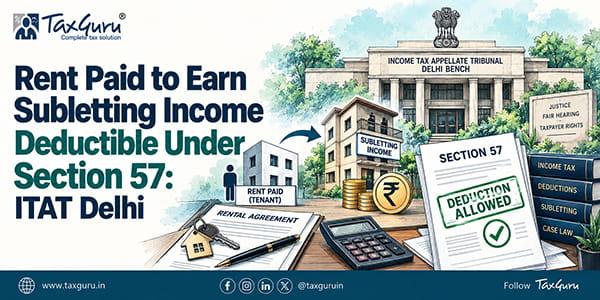
Income Tax
Rent Paid to Earn Subletting Income Deductible Under Section 57: ITAT Delhi
Income Tax
Income Tax
Wife’s Jewellery Found at Common Residence Cannot Be Added to Husband: Nagpur ITAT
Explore the latest section 143(3) updates on TaxGuru, including relevant Income-tax Act provisions, rules, notifications, circulars, judicial decisions and compliance guidance. The coverage highlights important tax positions, procedural requirements, assessments, deductions, penalties and litigation developments to help taxpayers and professionals understand the practical implications of changes in income-tax law.

