Income Tax : ITAT Mumbai held that an addition under Section 69A cannot be sustained when the assessee is denied the opportunity to cross-exami...
Income Tax : ITAT held that additions based solely on third-party search material without independent evidence or cross-examination are invalid...
Income Tax : A large spousal gift exemption was denied due to failure in proving genuineness, creditworthiness, and source of funds. The ruling...
Income Tax : ITAT held spousal gift taxable under Section 68 due to lack of evidence on genuineness, bank trail, and donor capacity despite Sec...
Income Tax : This covers how unexplained credits and investments are taxed under Sections 68 to 69D. The key takeaway is that additions require...
Income Tax : The ITAT Amritsar held that a valuation report by itself cannot justify addition under Section 69 without evidence of extra paymen...
Income Tax : The ITAT held that stamp duty valuation could not be blindly adopted where the property was affected by BBMP demolition proceeding...
Income Tax : The Tribunal held that agricultural land situated beyond notified municipal limits is not a capital asset under the Income Tax Act...
Income Tax : ITAT Ahmedabad held that no unexplained investment addition could survive where the booked property deal was cancelled and funds w...
Income Tax : ITAT Delhi held that penalty under Section 271AAC cannot survive once the underlying Section 153C assessment is quashed. The Tribu...
The issue was whether cash deposited during demonetisation was fully explainable from business receipts. ITAT held that explanations were partly unreliable and sustained 50% of the addition under Section 68.
The Tribunal clarified that the law does not permit selective or partial rejection of books under Section 145(3). In absence of specific defects, additions based on probabilities alone were set aside.
While sales proceeds were claimed as the source, unexplained cash receipts appeared in the cash book. The Tribunal directed the Assessing Officer to re-examine deposits after detailed verification of records.
The dispute involved additions of partners capital treated as unexplained cash credits. The Tribunal did not rule on merits but remanded the matter due to procedural violation by the appellate authority. It highlights that appellate orders must be reasoned and speaking.
The tribunal held that estimating commission income at 1% without verifying the existence of a genuine Shroff business was legally unsustainable. The matter was remanded for fresh examination by the Assessing Officer.
The issue was whether unsecured loans from directors routed through a partnership firm could be treated as unexplained cash credits. The Tribunal held that once identity, creditworthiness, and genuineness are proved through books and bank records, section 68 addition cannot survive.
The Tribunal held that when reassessment is based on material found during a third-party search, proceedings must be initiated under Section 153C and not Section 147. Reopening under Section 147 was therefore without jurisdiction and liable to be quashed.
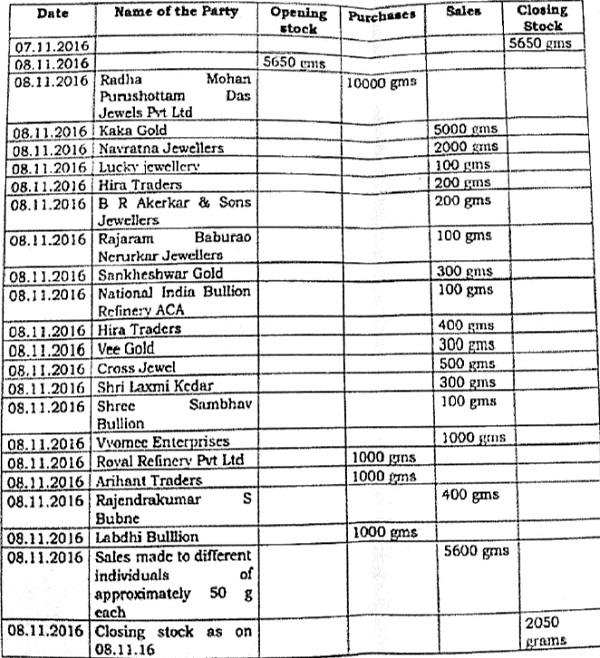
Whether large cash deposits during demonetisation could be explained as cash sales. Ruling & Takeaway: The Tribunal upheld addition under section 69A, finding implausible sales patterns, rejected books, and lack of evidence; human probability prevailed over book entries.
The Tribunal held that no commission income can arise from circular transactions within group entities. Additions based on estimated commission for such intra-group sales were deleted.
The Tribunal ruled that reassessment based on borrowed satisfaction, without inquiry or verification by the AO, is unsustainable. Independent application of mind is mandatory under the new regime.