
Courts: Supreme Court of India
Read latest Supreme Court of India judgments and orders on Income Tax, GST, Customs, Company Law and other taxation, corporate and commercial laws.

SC Dismisses Revenue’s SLP Due to Delay & Lack of Year-Specific Material in Reassessment

SC Upholds No Writ Relief Due to Alternate GST Remedy, Allows Delayed Appeal
SC Dismisses SLP Due to Delay, Upholds Quashing of Reassessment on Settled Section 80P Issue
Writ Against GST SCN for cancelling Registration Not Maintainable: SC
SC Dismisses Income Tax Appeal Due to 503-Day Delay and Lack of Sufficient Cause

SC Upholds Life Term of Man Who Killed His Wife After Being Drunk
No TCS on Compounding Fees as Illegal Mining Lacks Legal Contract or Licence: SC

Dale & Carrington Vs. P.K. Prathapan (2004): Legal Analysis & Narrative Brief
Generation Based Incentive is over and above tariff set by State Electricity Regulatory Commission
Higher Rank, Higher Accountability – SC Restores Dismissal, Rejects Parity with Co-Delinquents
FEMA SCN Set Aside – SC Holds Adjudication Cannot Override Competent Authority Findings Pending Appeal
Spillover Effect Dead Ends: SC’s Flipkart Verdict, Quashed AO Orders & Dawn of Income Tax Act 2025
Termination Valid, Blacklisting Invalid – SC Separates Consequences, Enforces Strict Natural Justice
Ex-Parte Succession Certificate Set Aside – SC Protects Minor’s Rights, Allows Fresh Hearing
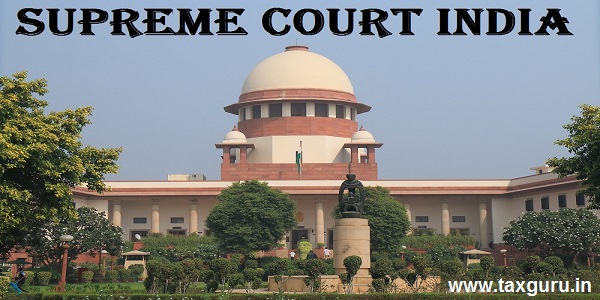
Supreme Court of India brings together Supreme Court judgments and orders published on TaxGuru concerning taxation, corporate, commercial and regulatory laws. The archive covers Income Tax, GST, Customs, Company Law, insolvency, constitutional and other legal issues relevant to taxpayers, businesses and professionals. Readers can research authoritative rulings on statutory interpretation, substantial questions of law, constitutional issues and appeals from High Courts and tribunals. Chartered Accountants, advocates, tax professionals, companies and legal researchers can use this category to follow important Supreme Court jurisprudence relevant to taxation and business laws.

