
Courts: Supreme Court of India
Read latest Supreme Court of India judgments and orders on Income Tax, GST, Customs, Company Law and other taxation, corporate and commercial laws.
Supreme Court Upholds Quashing of Time-Barred Section 153C Notices

Company Prosecution Valid Without Arraigning Natural Person: Supreme Court
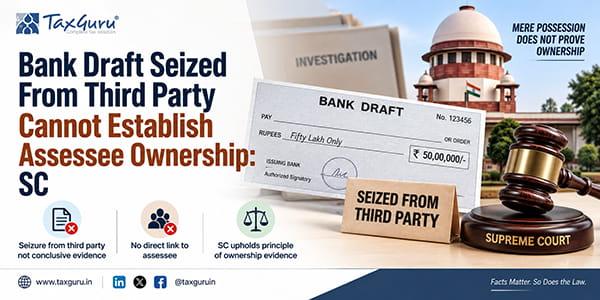
Bank Draft Seized From Third Party Cannot Establish Assessee Ownership: SC
CIT Vs Sociedade De Fomento Industrial: SC Upholds Section 10B Exemption for New EOU

SC Rejects Consolidation of Four Cheque Cases, Orders Same-Day Hearing
Long Possession Without Hostile Animus Does Not Confer Title: SC

Suo Motu Revision Cannot Enhance Sentence in Accused Appeal: SC

SC Dismisses TDS Challenge on External Development Charges Paid to HUDA

Partner’s Right in Unsold Firm Assets Survives Until Actual Settlement: SC

Section 13(1)(d) Conviction Cannot Survive Without Pecuniary Advantage: SC

Excepted-Matter Objection Must First Be Decided by Arbitral Tribunal: SC

Failed Buyback Alone Cannot Establish Fraud Without Corroborative Evidence: SC
Arbitration Clause in Loan Agreement Binds Guarantor Through Contractual Incorporation: SC
FR 56(j) Compulsory Retirement Cannot Rest on Unverified Allegations: SC
Supreme Court of India brings together Supreme Court judgments and orders published on TaxGuru concerning taxation, corporate, commercial and regulatory laws. The archive covers Income Tax, GST, Customs, Company Law, insolvency, constitutional and other legal issues relevant to taxpayers, businesses and professionals. Readers can research authoritative rulings on statutory interpretation, substantial questions of law, constitutional issues and appeals from High Courts and tribunals. Chartered Accountants, advocates, tax professionals, companies and legal researchers can use this category to follow important Supreme Court jurisprudence relevant to taxation and business laws.

