
Courts: Supreme Court of India
Read latest Supreme Court of India judgments and orders on Income Tax, GST, Customs, Company Law and other taxation, corporate and commercial laws.

154-Day Delay: SC Dismisses Revenue Plea in Penny Stock Addition Case
SC Upheld Income Tax Assessment Transfer Due to Coordinated Search Investigation
SC Admits Appeal on Revenue Neutrality in Inter-Unit Excise Valuation

Execution Upheld: Lis Pendens Buyers Cannot Block Possession

SC Dismisses Revenue SLP for Delay in Share Valuation Reassessment Case
Execution Cannot Impose Personal Liability Without Prior Adjudication: SC

Appeal Does Not Abate If Estate Is Sufficiently Represented: SC
Hiding Pending Criminal Cases Bars Government Jobs: SC
Section 263 Revision Fails Due to Proper Inquiry by Assessing Officer: SC

Substitution of Shares on Amalgamation Not Automatically Business Income: SC
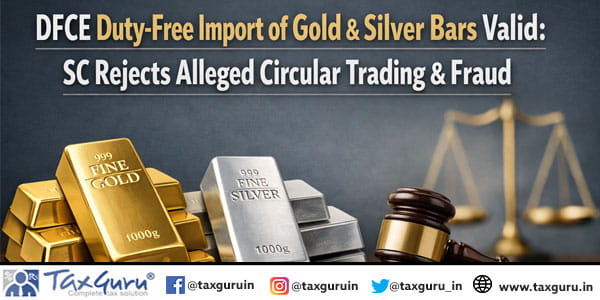
DFCE Duty-Free Import of Gold & Silver Bars Valid: SC Rejects Alleged Circular Trading & Fraud

Private Complaints Barred for Company Fraud Without SFIO Approval: SC
Amalgamation Shares Taxable Only If Real Income Arises
Specific Performance Granted After POA Ratification Affidavit
Supreme Court of India brings together Supreme Court judgments and orders published on TaxGuru concerning taxation, corporate, commercial and regulatory laws. The archive covers Income Tax, GST, Customs, Company Law, insolvency, constitutional and other legal issues relevant to taxpayers, businesses and professionals. Readers can research authoritative rulings on statutory interpretation, substantial questions of law, constitutional issues and appeals from High Courts and tribunals. Chartered Accountants, advocates, tax professionals, companies and legal researchers can use this category to follow important Supreme Court jurisprudence relevant to taxation and business laws.

